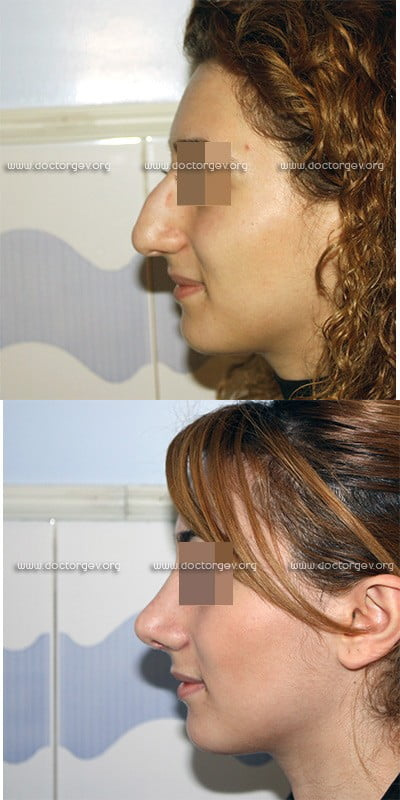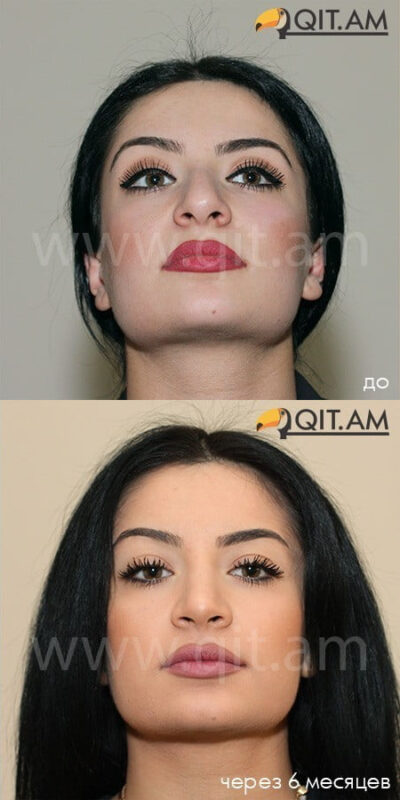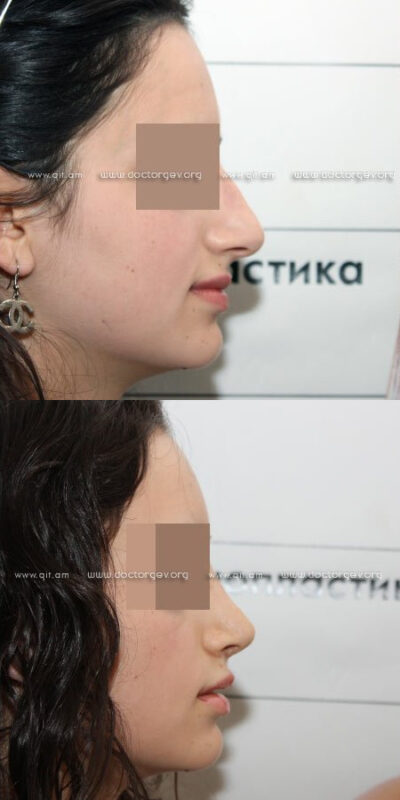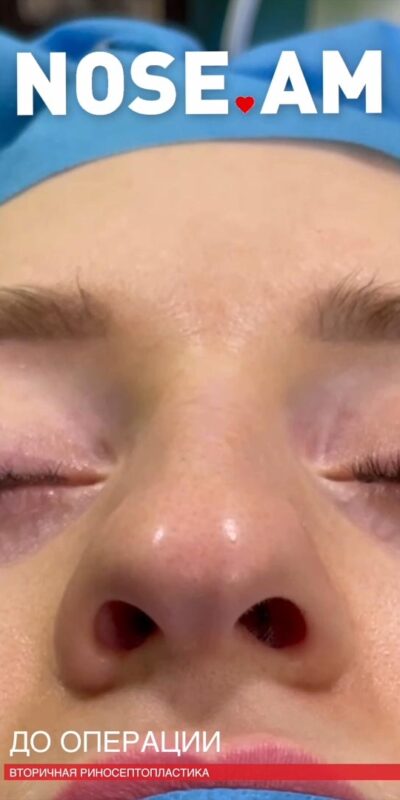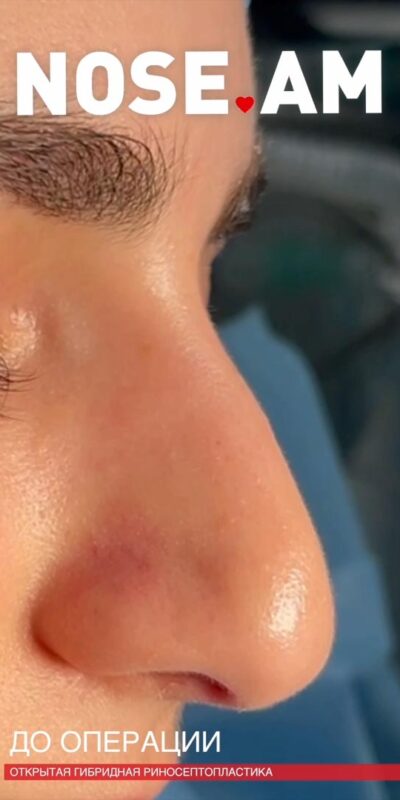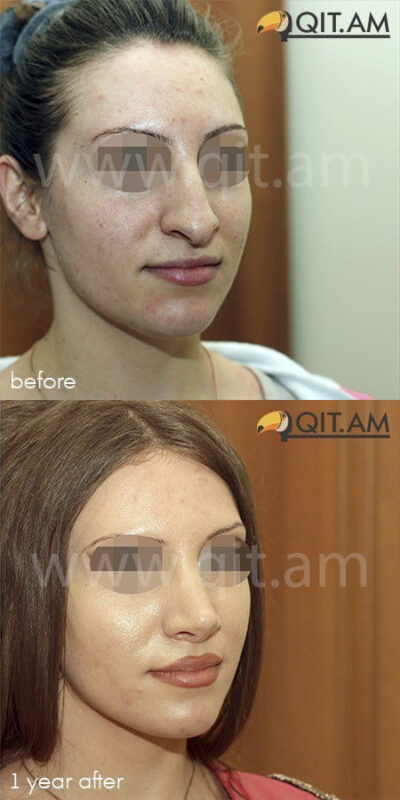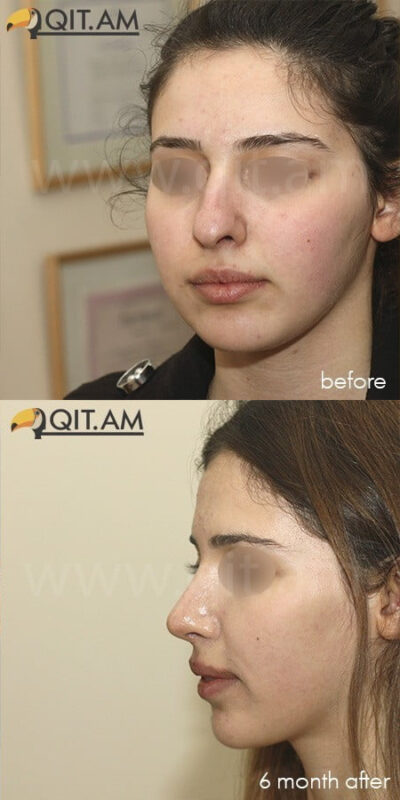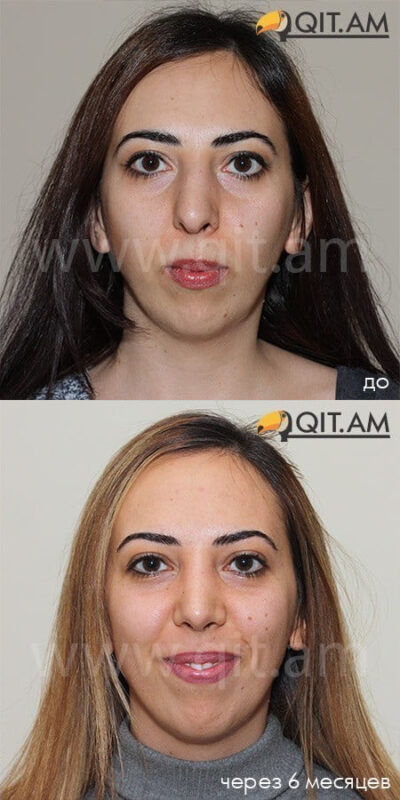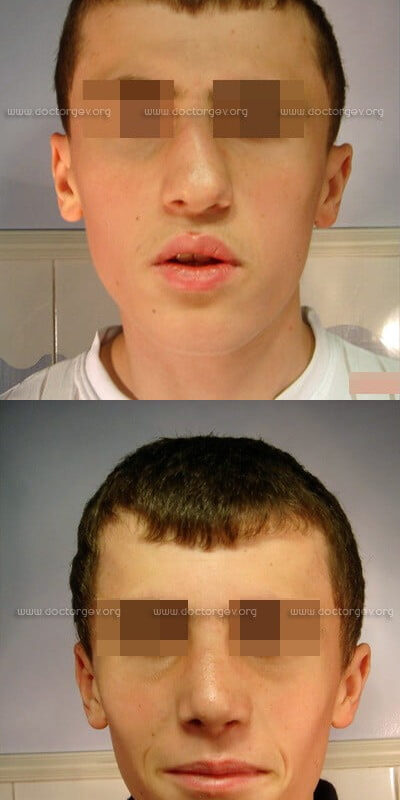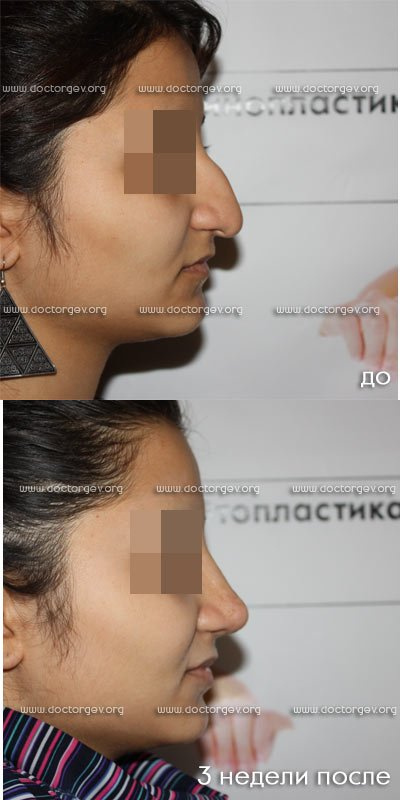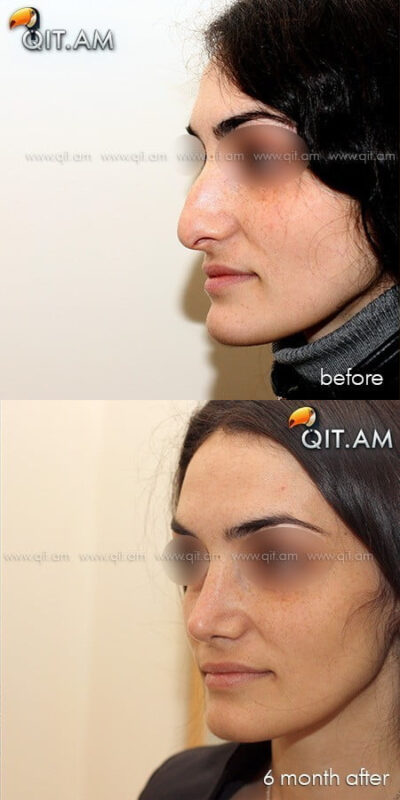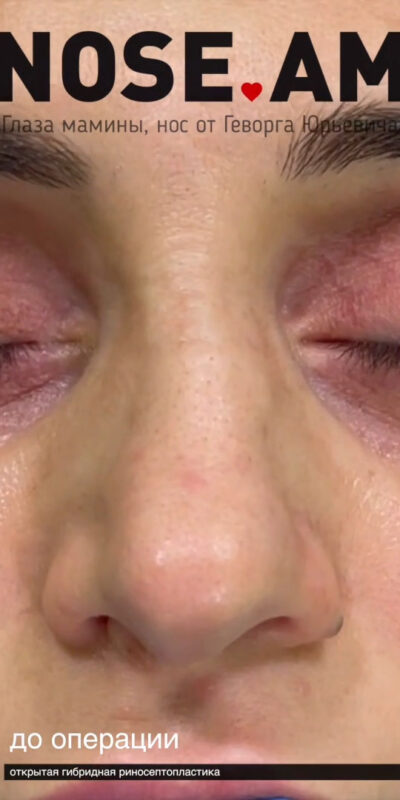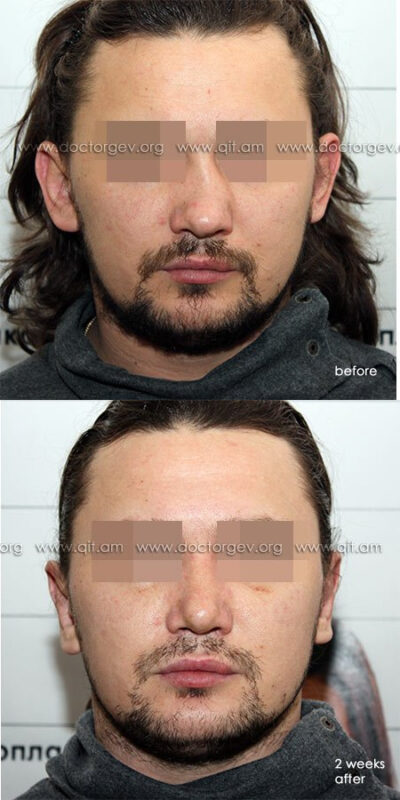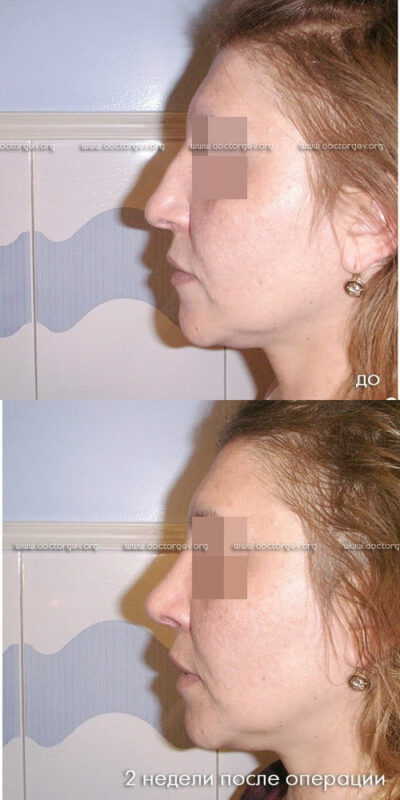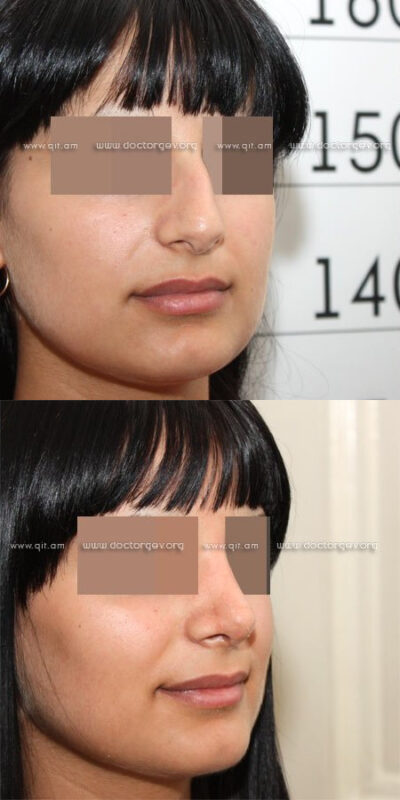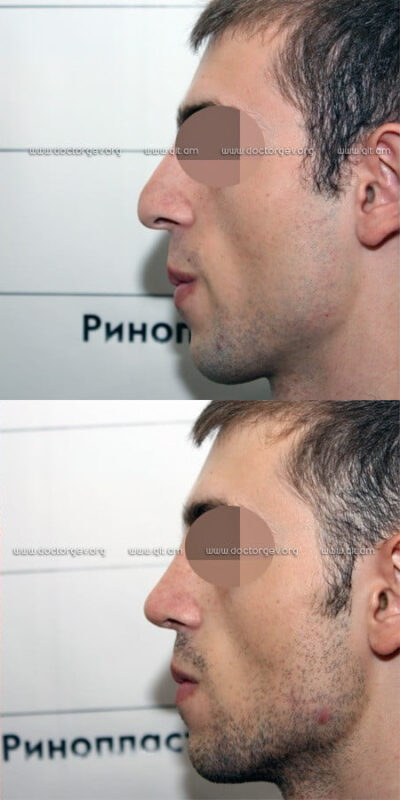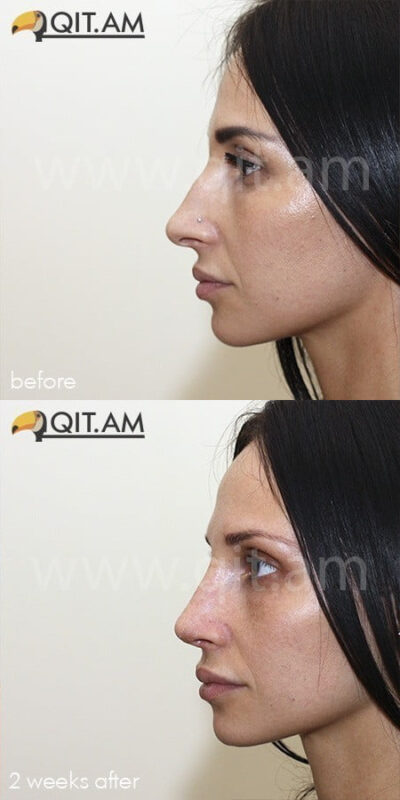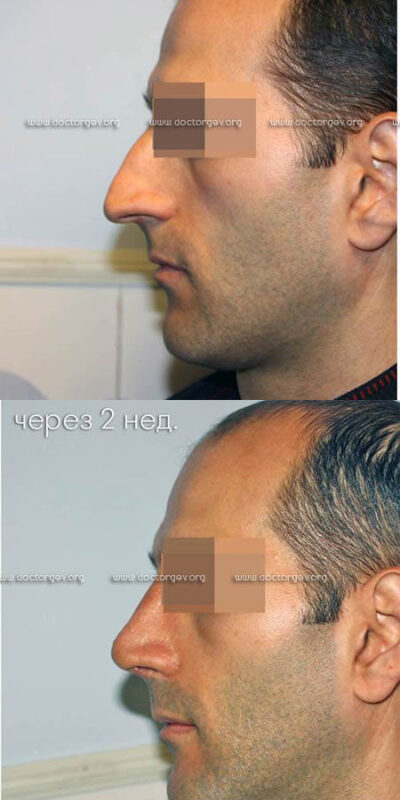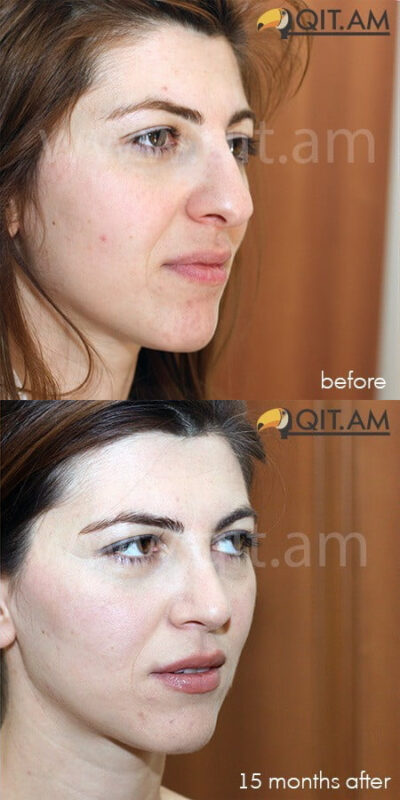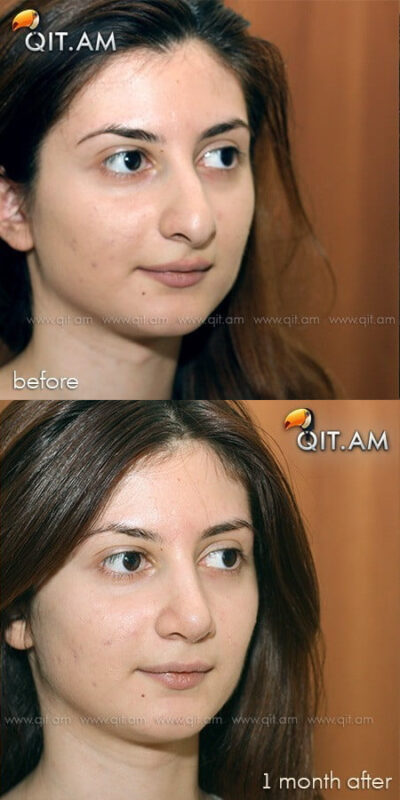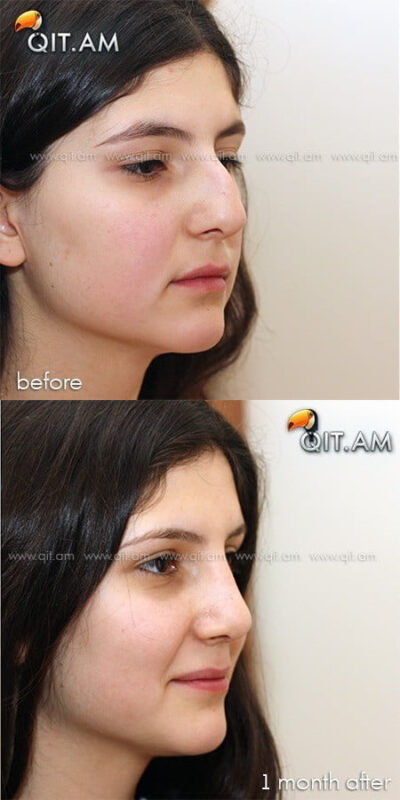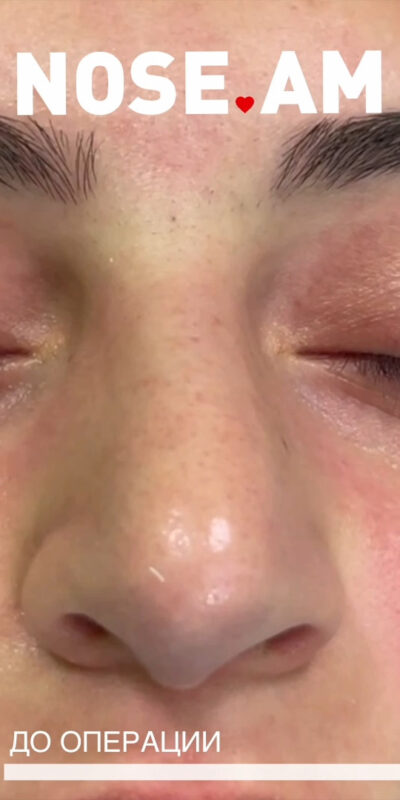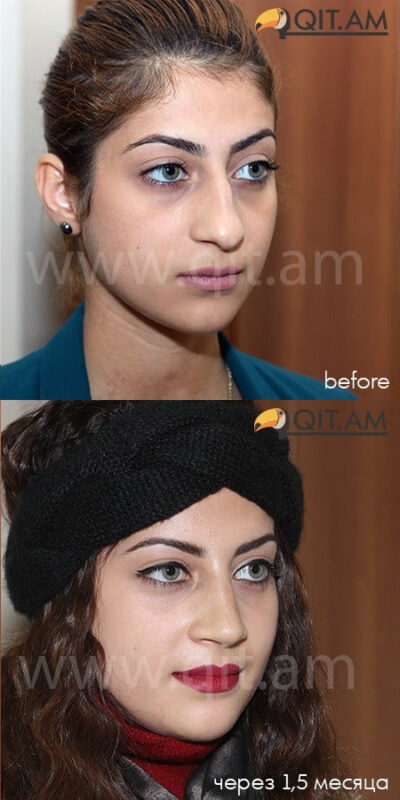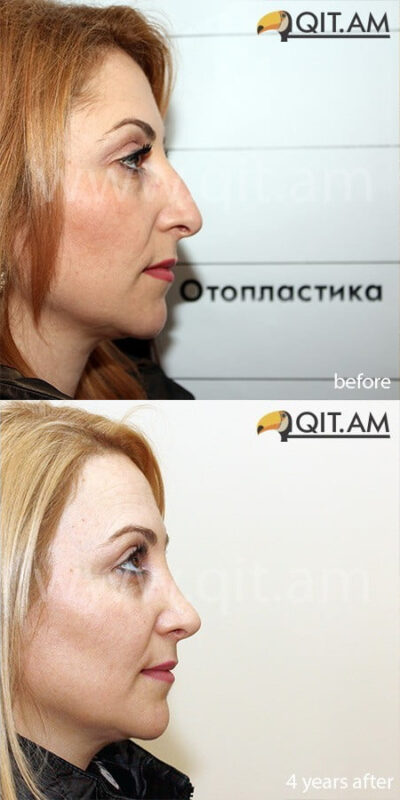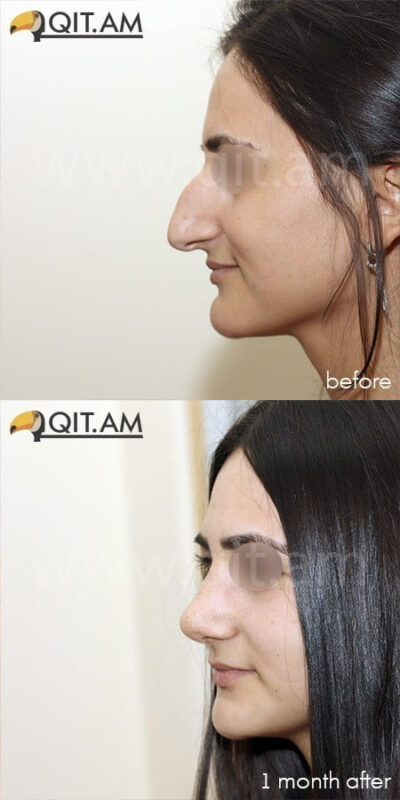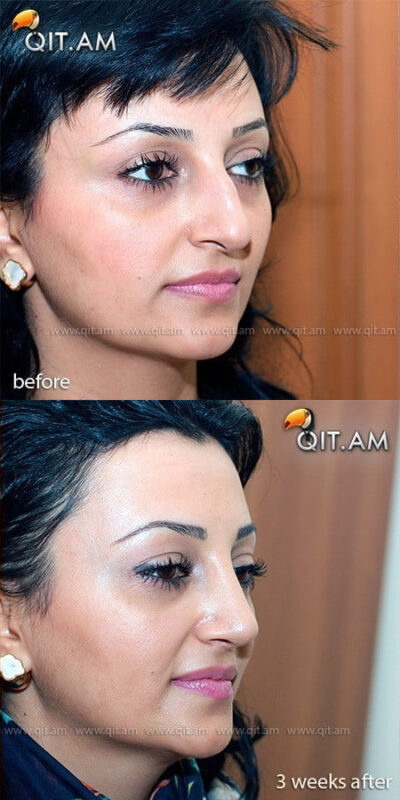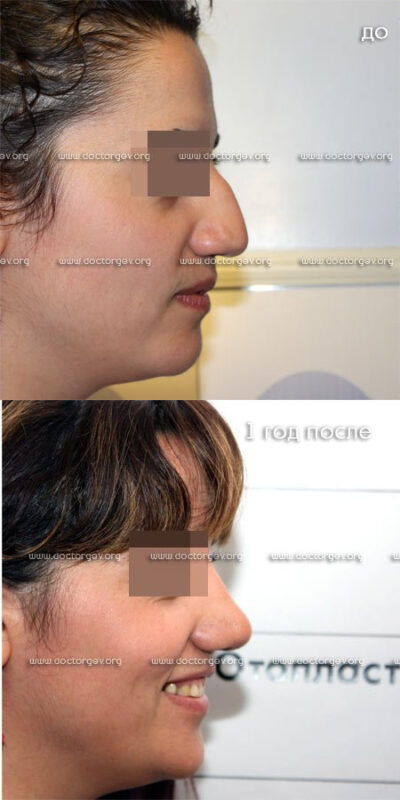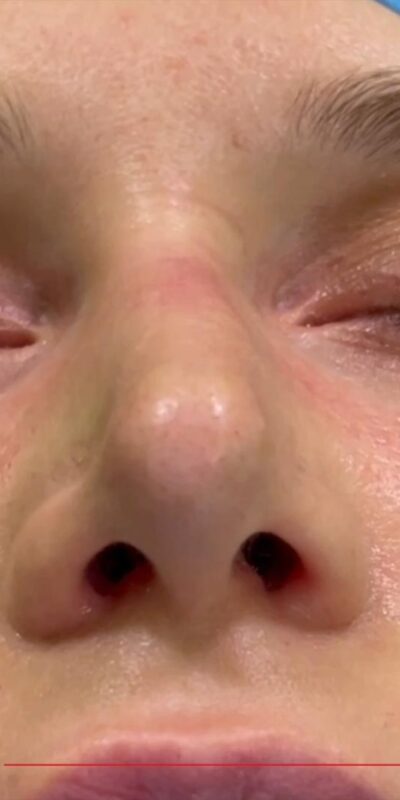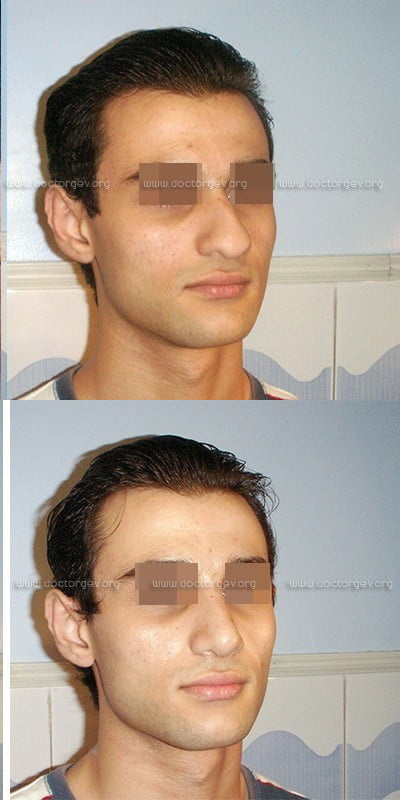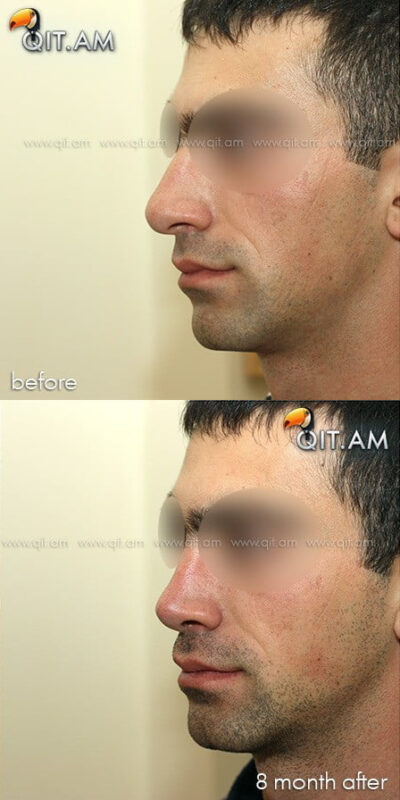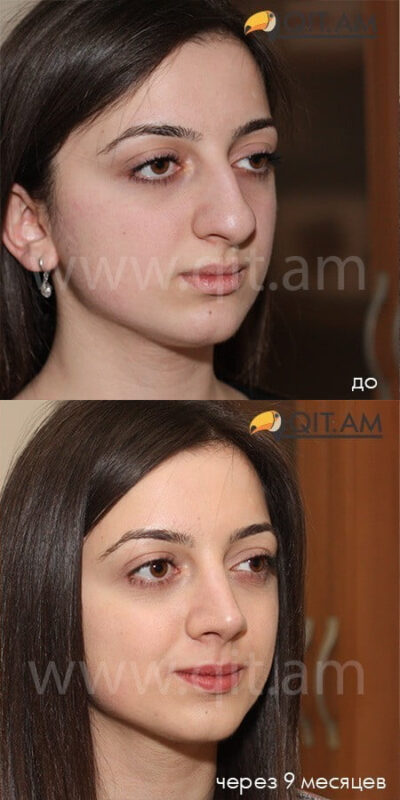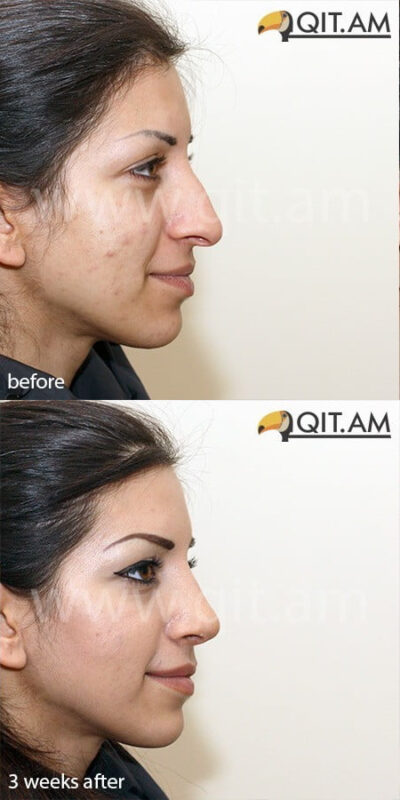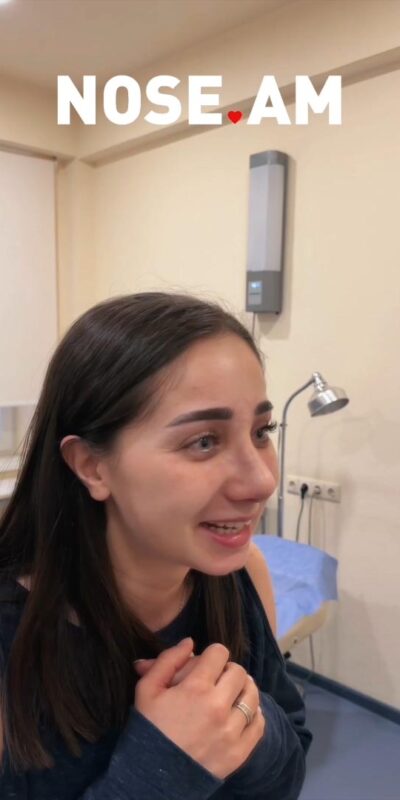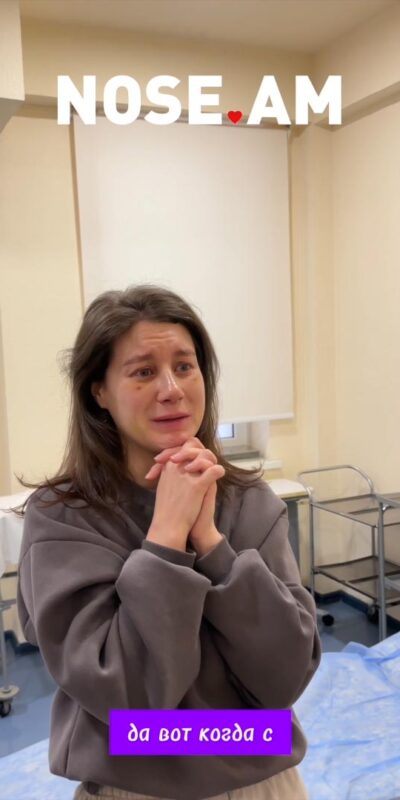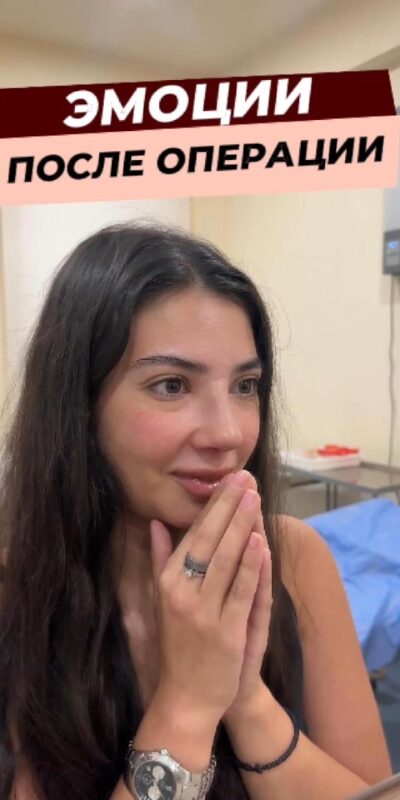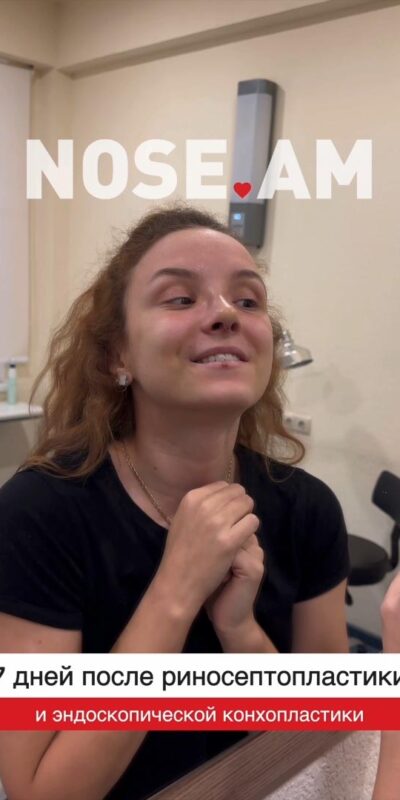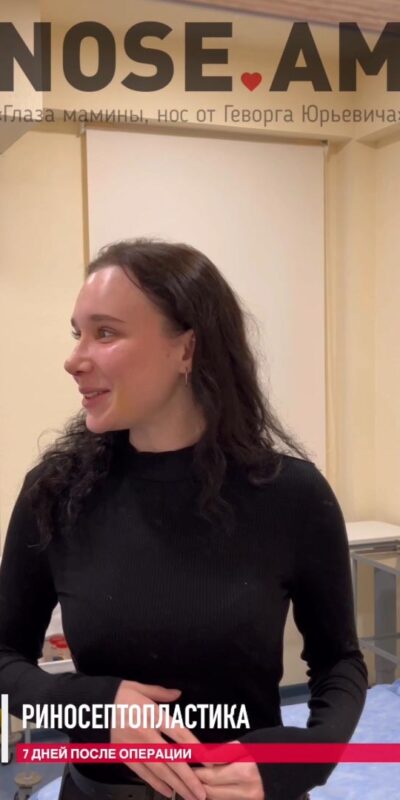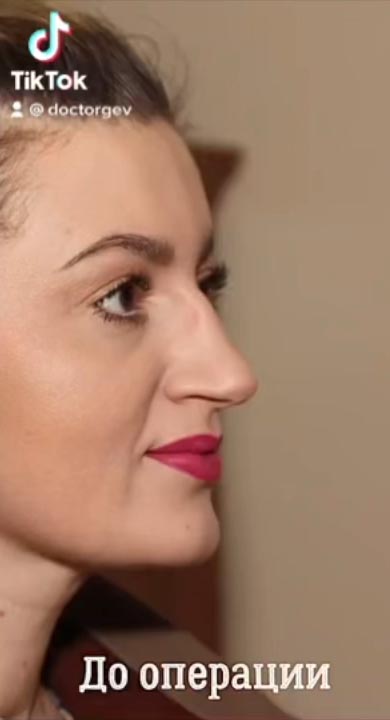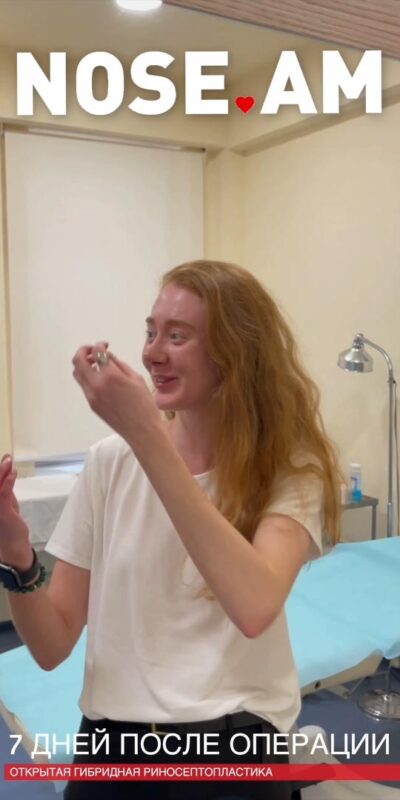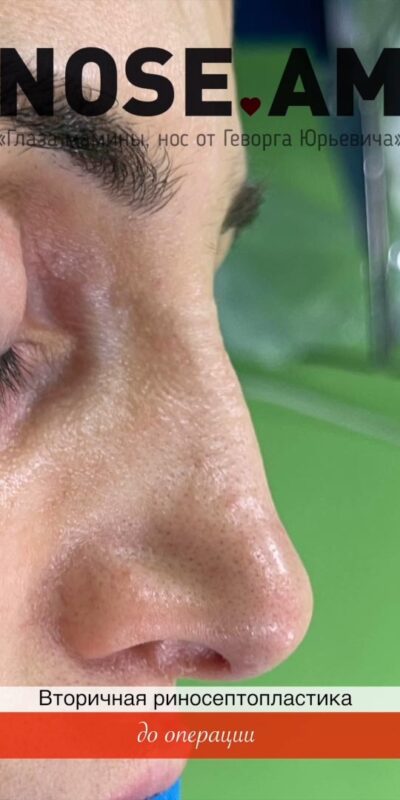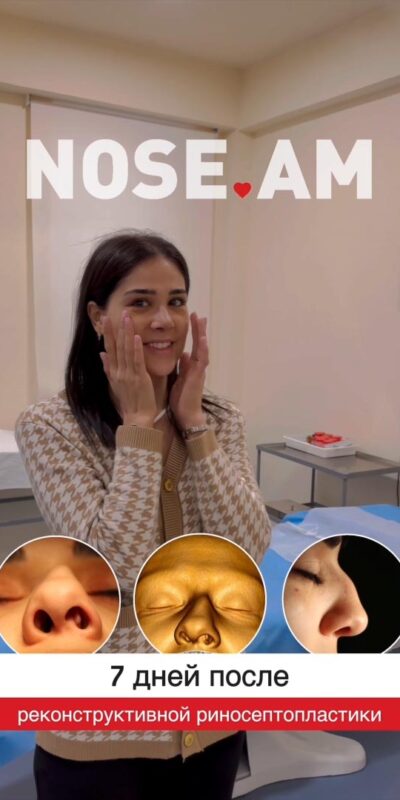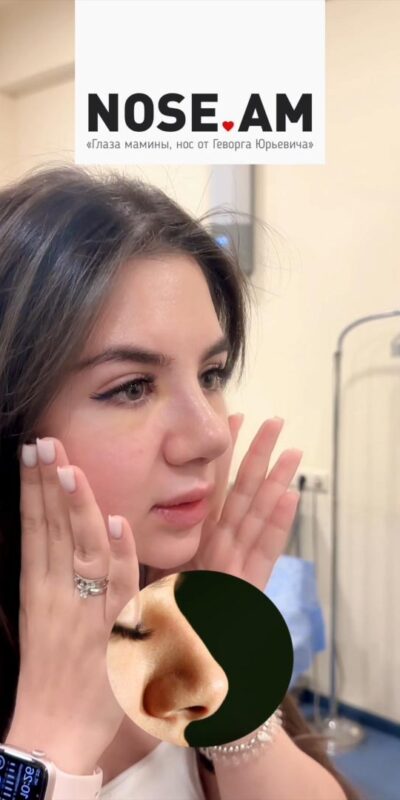

The surgery is behind you — that is a major step. But now the second stage begins: recovery. It requires your active participation just as much as preparing for surgery did.
How the nose changes over time — a realistic timeline
- Days 1–4: swelling, nasal congestion, and a sensation of pressure reach their maximum. Breathing through the nose is difficult, although partially possible through the airway channels in the splints. This is normal.
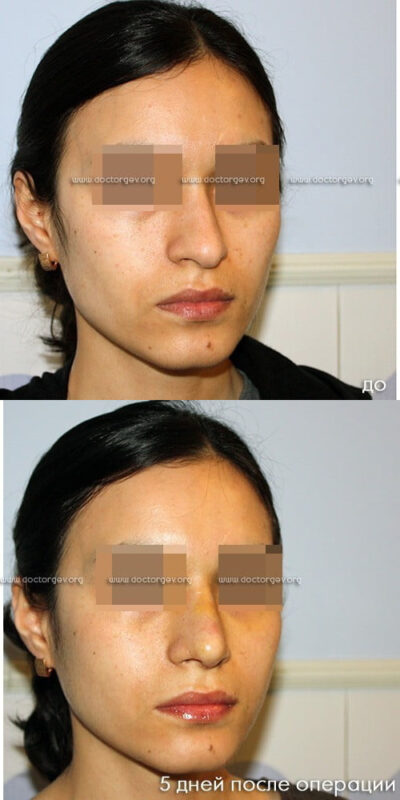
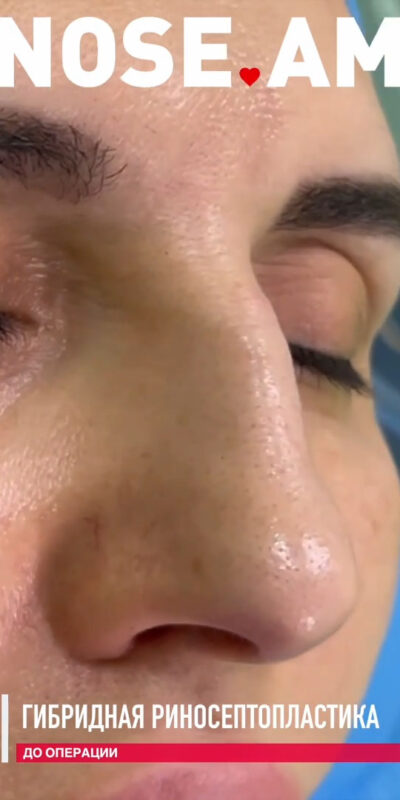
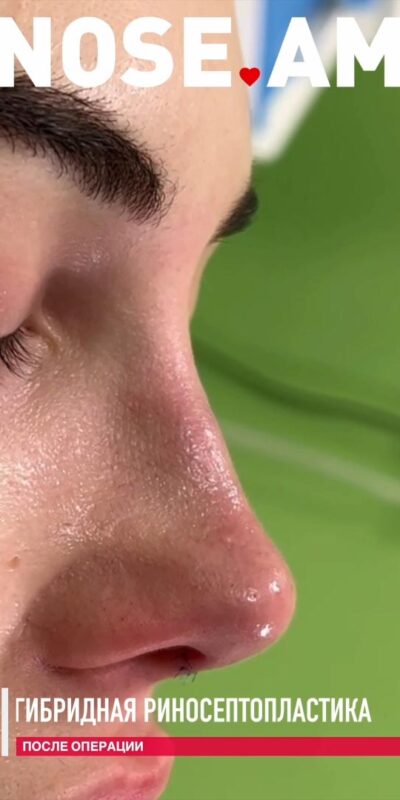
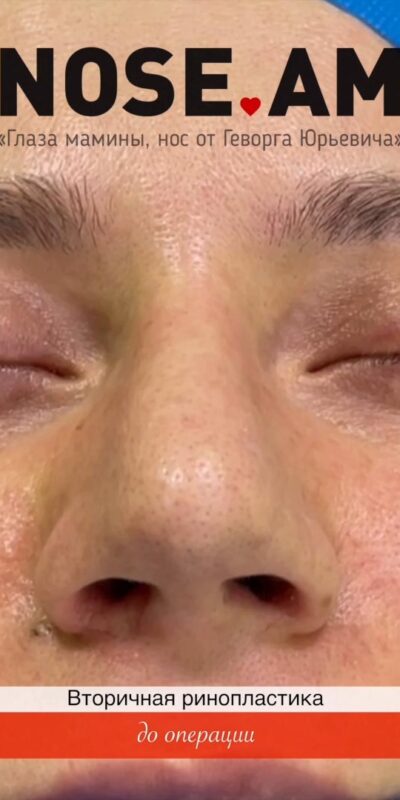
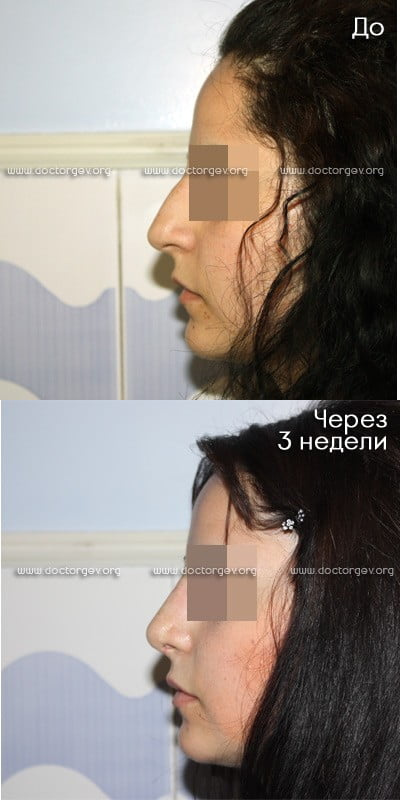
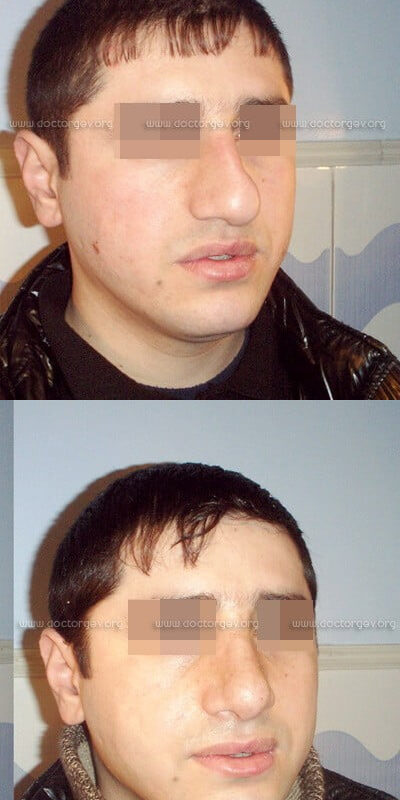
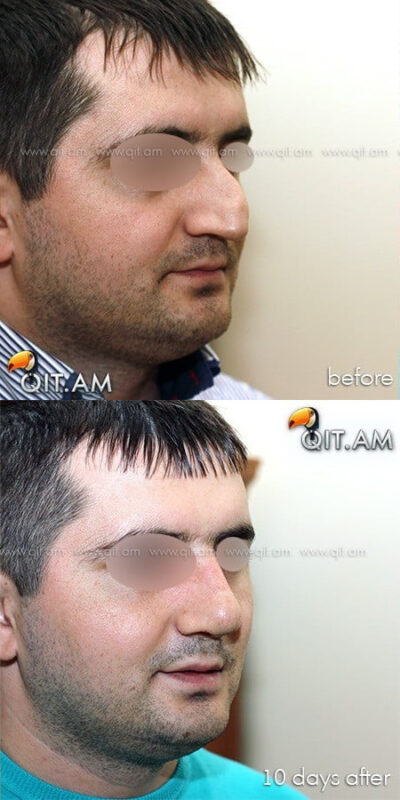
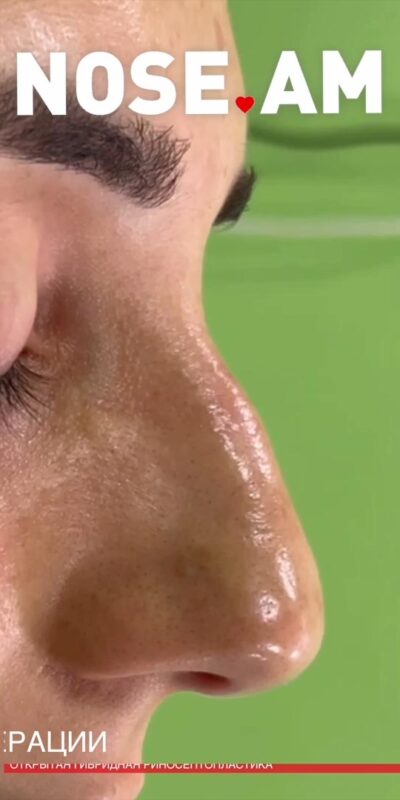
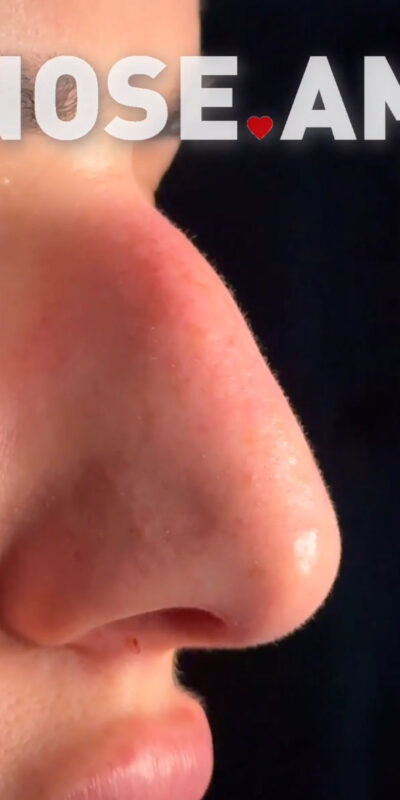
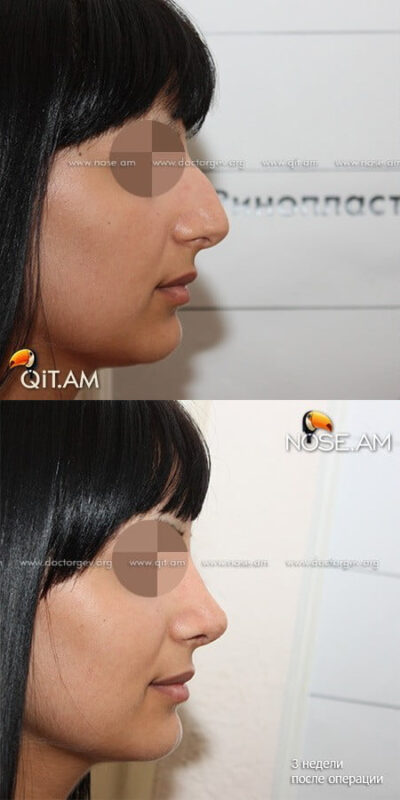
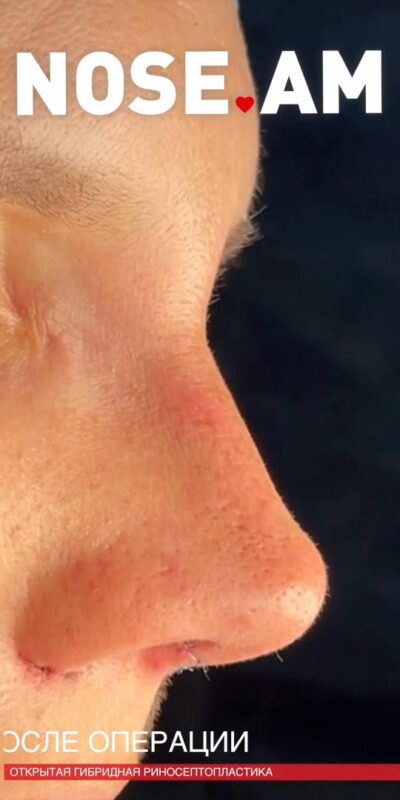
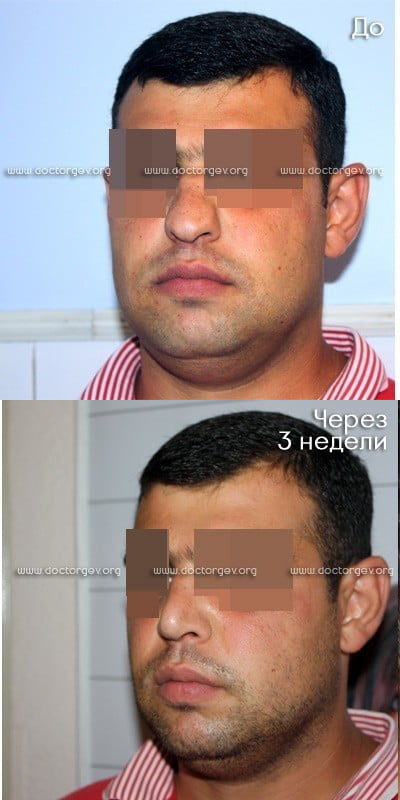
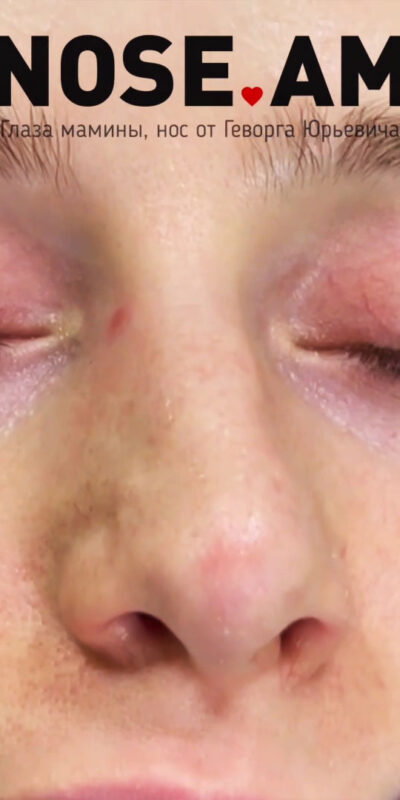
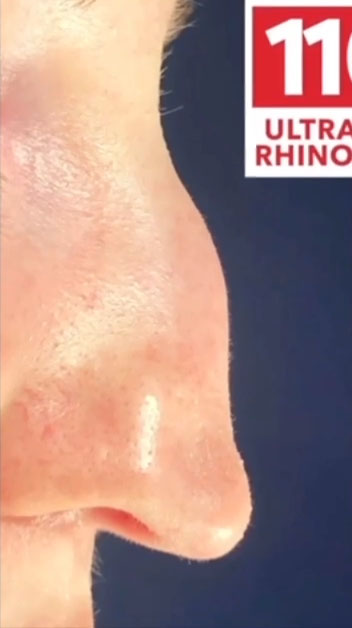
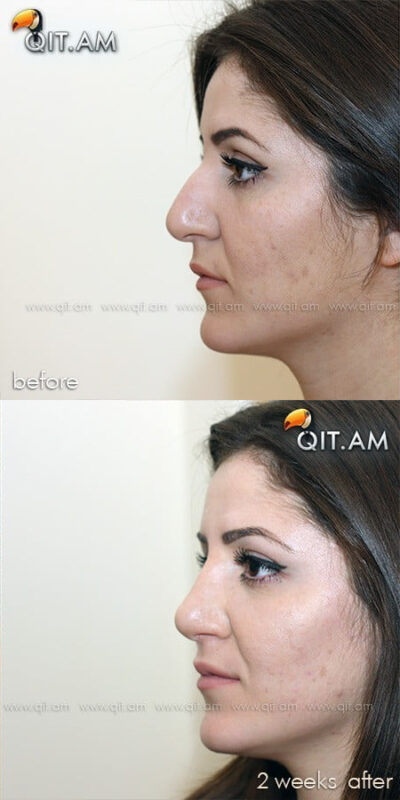
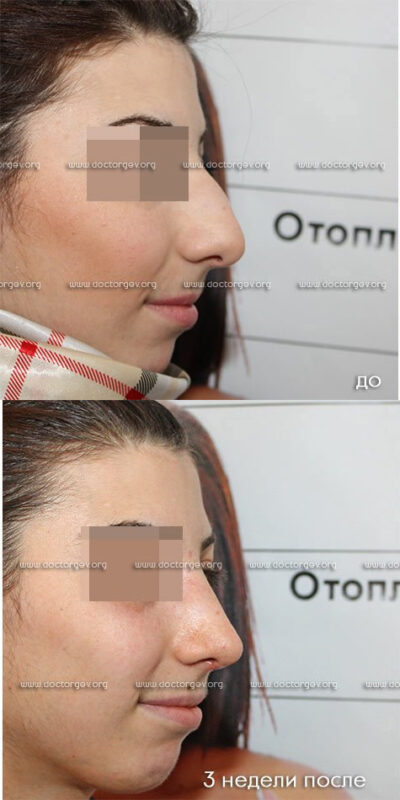
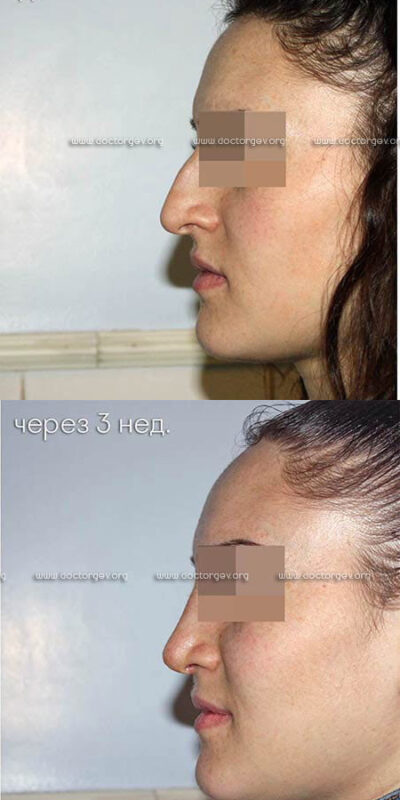
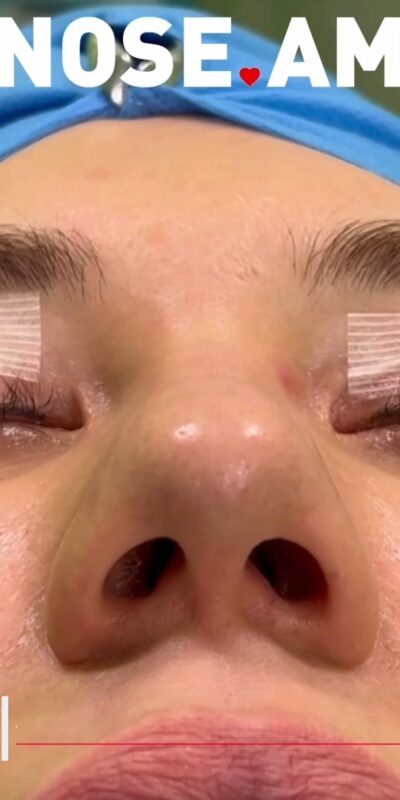
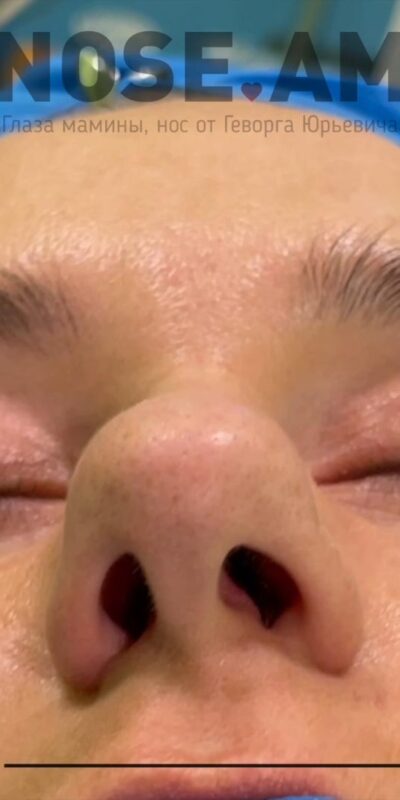
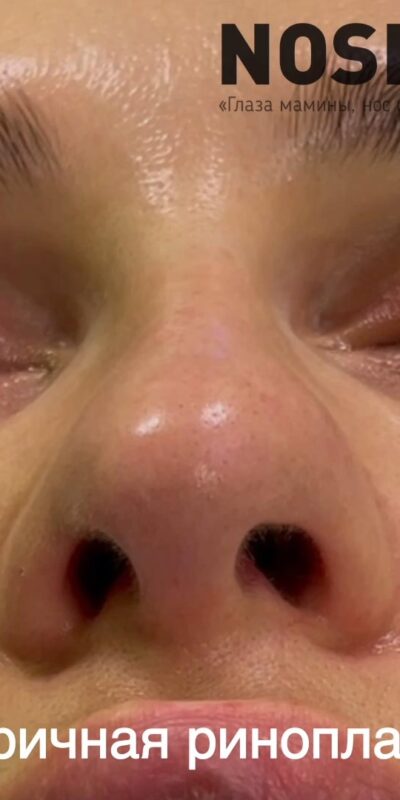
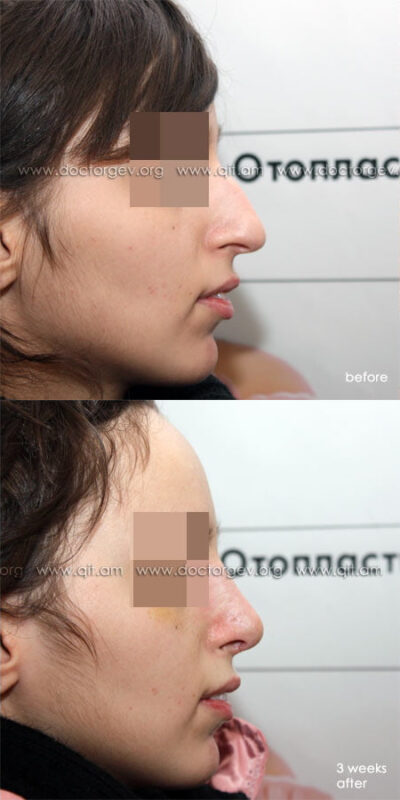
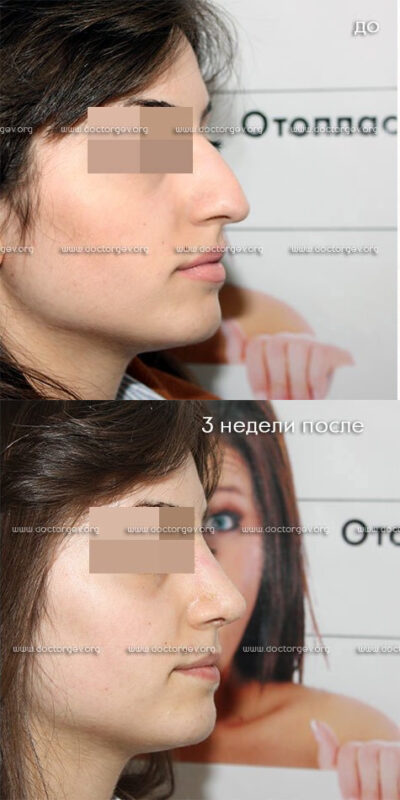
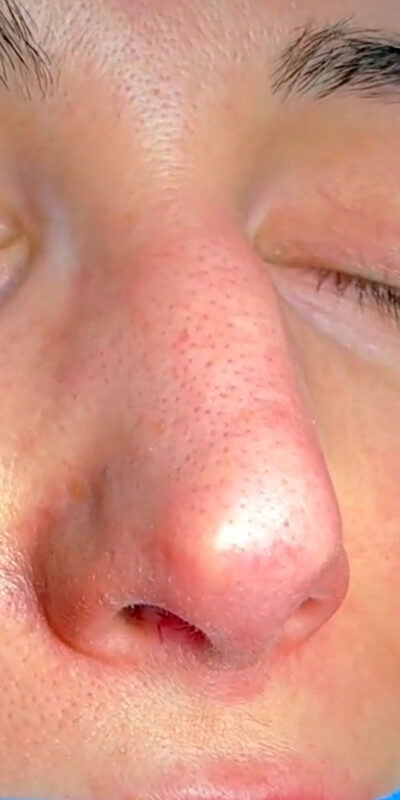
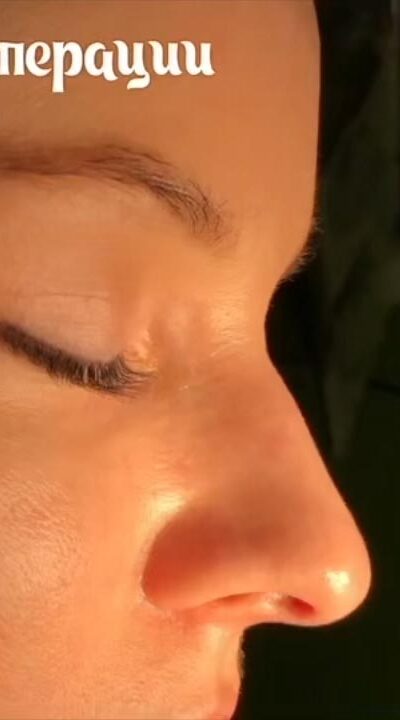
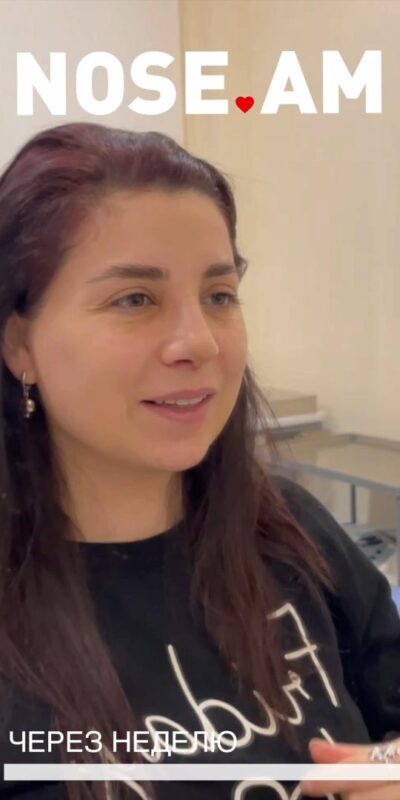
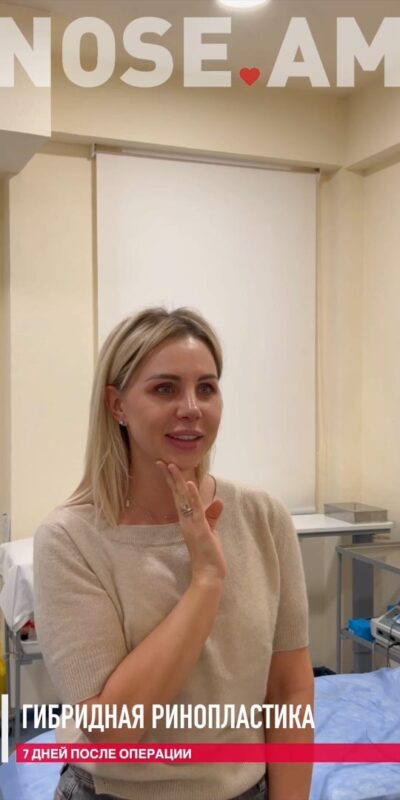
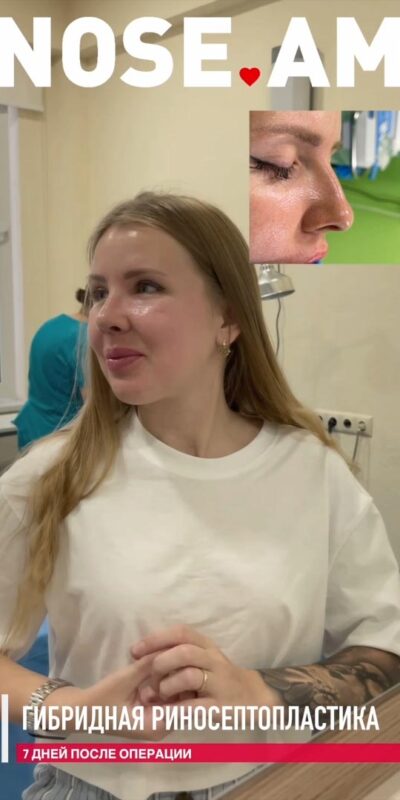
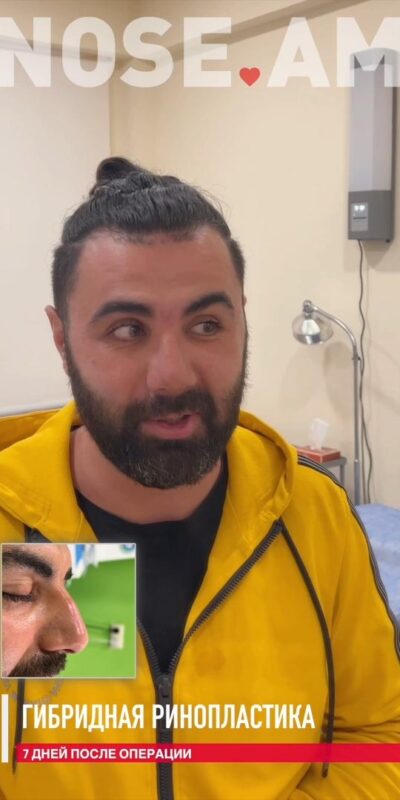
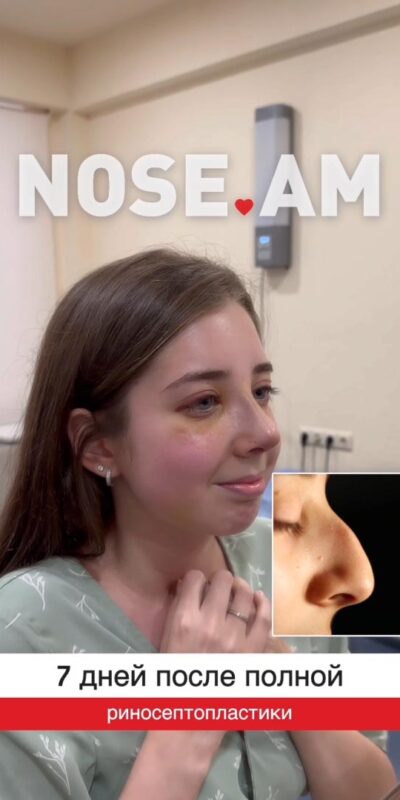
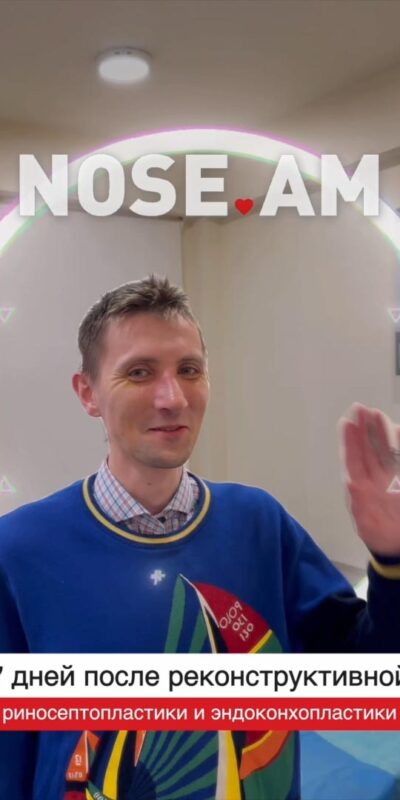
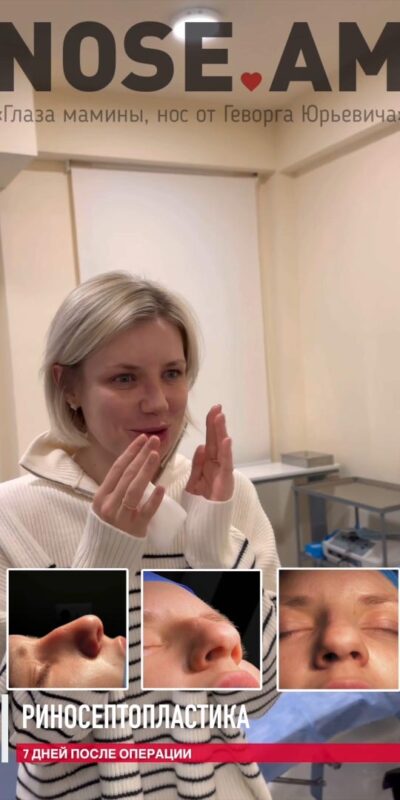
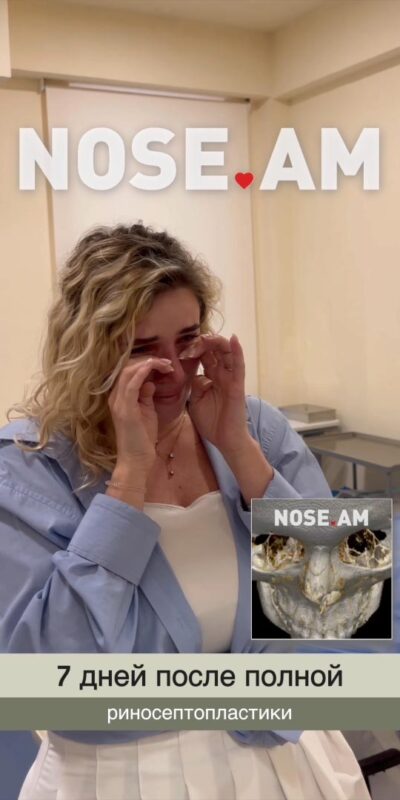
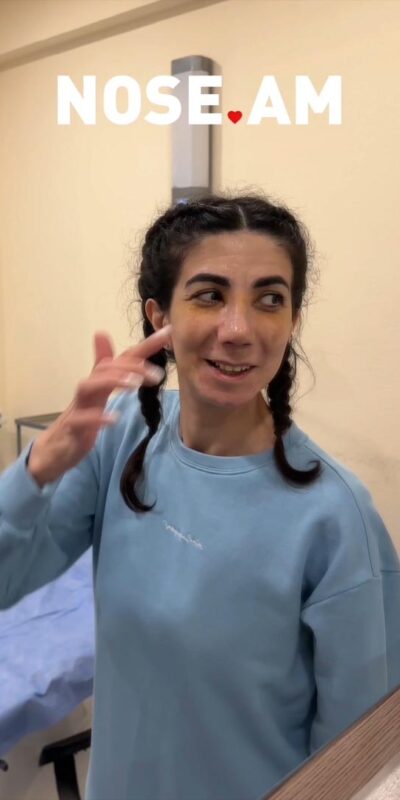
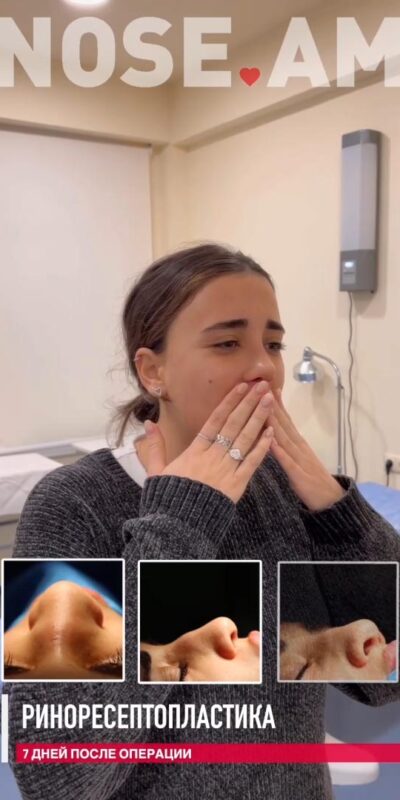
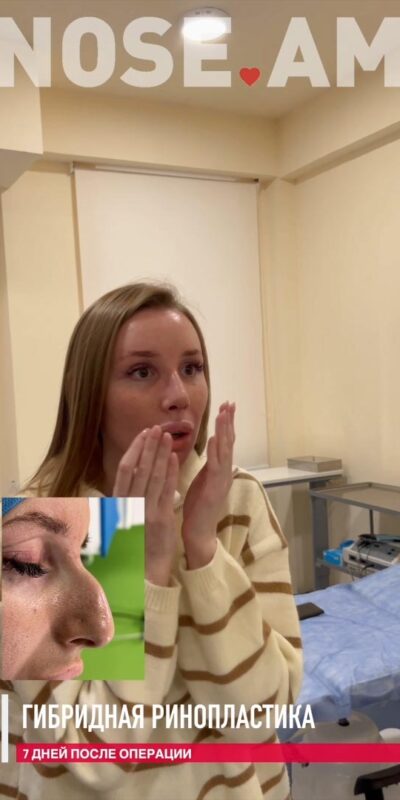
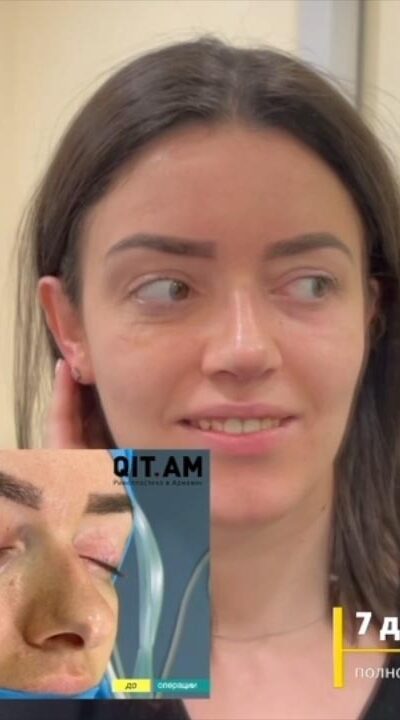
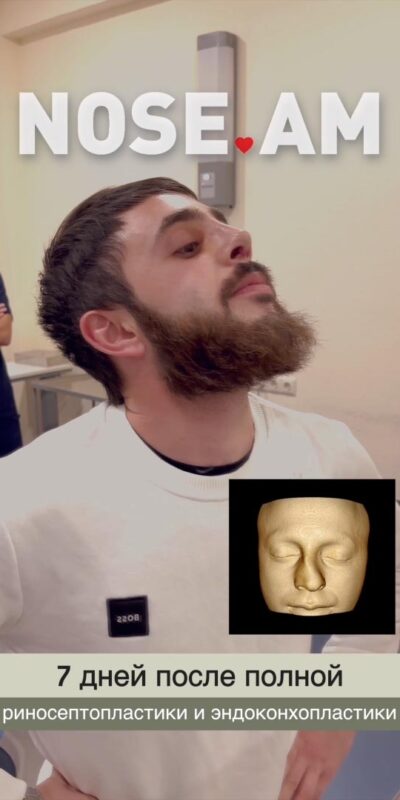
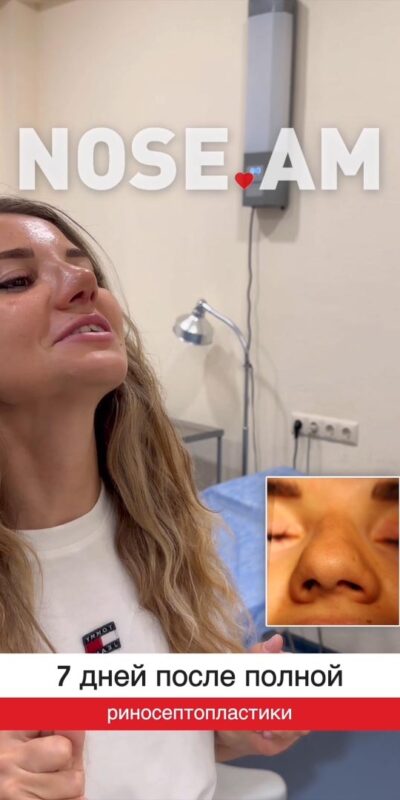
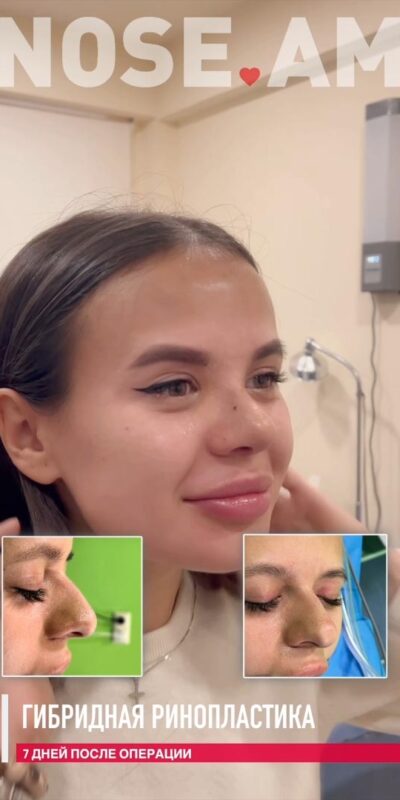
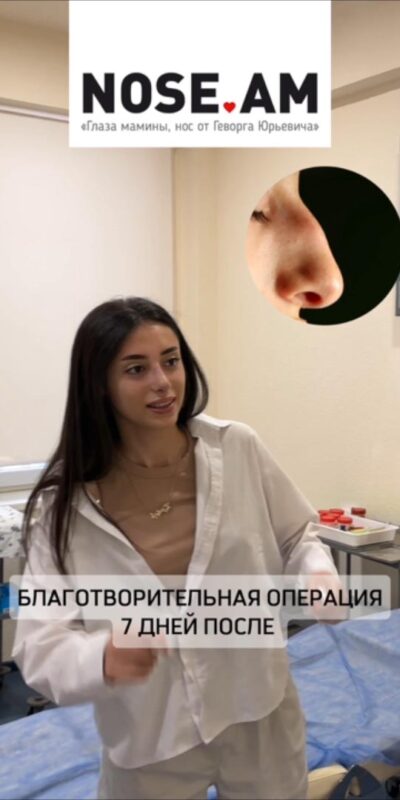
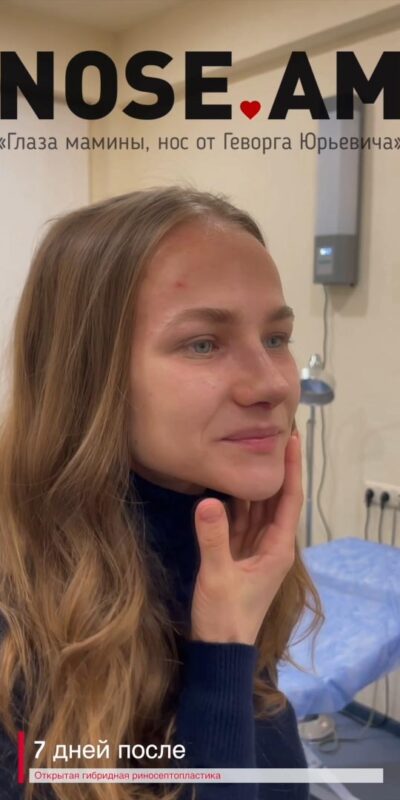
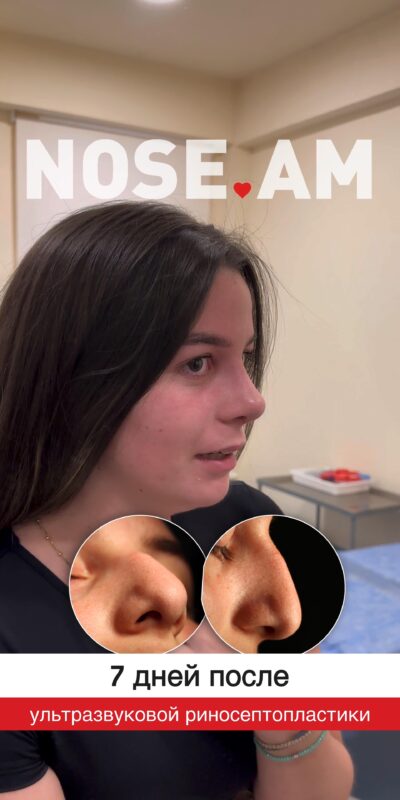
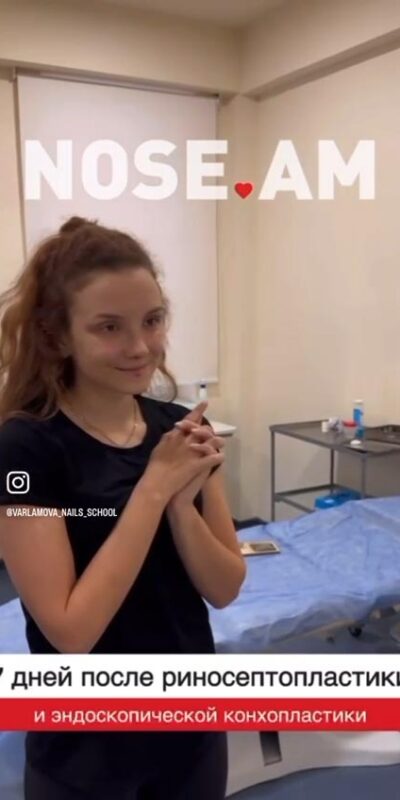
- Day 7: the external fixation and internal splints are removed. Breathing improves immediately. The nose is still swollen, so its shape may look somewhat coarse, and the tip may appear large and wide. This is not the final result.
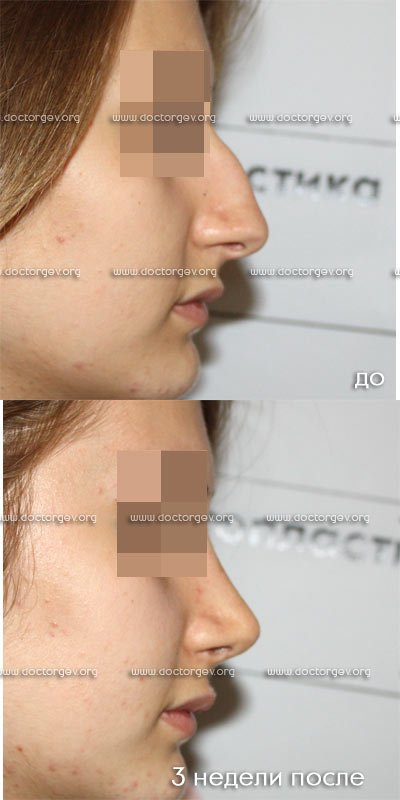
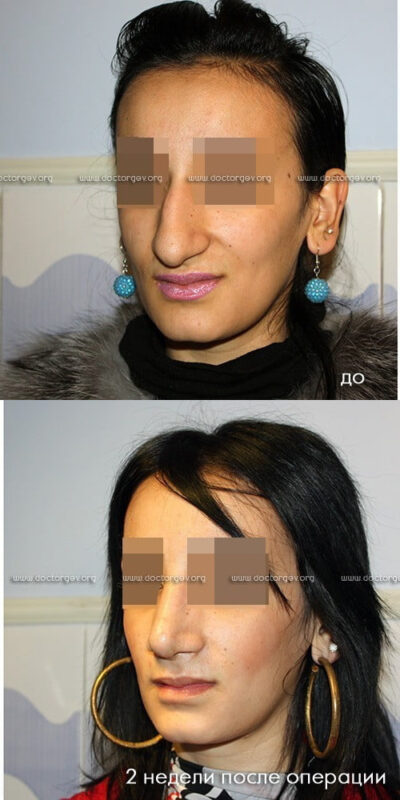
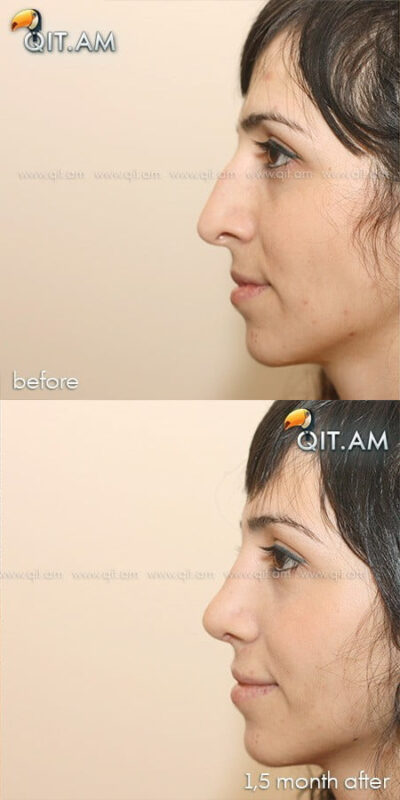
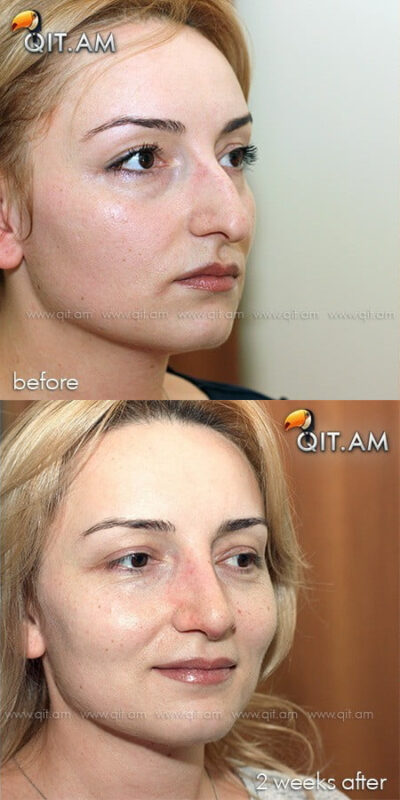
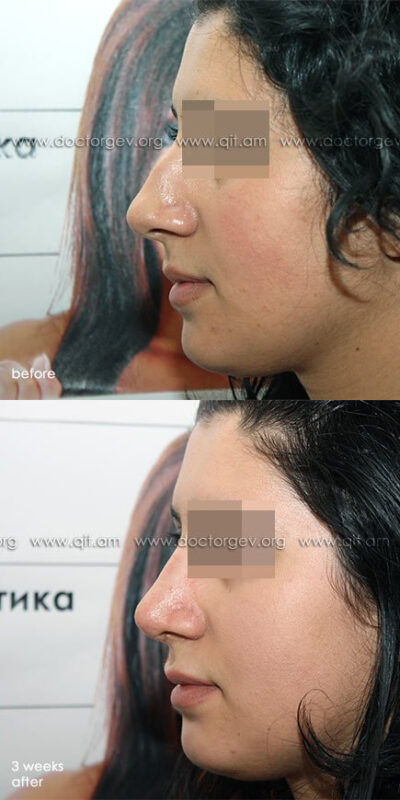
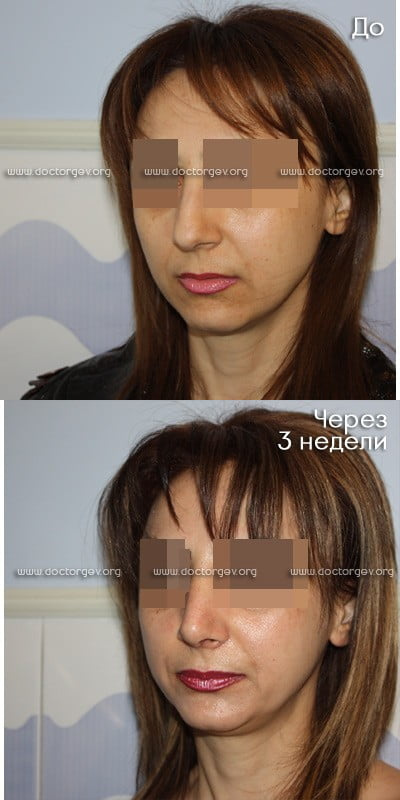
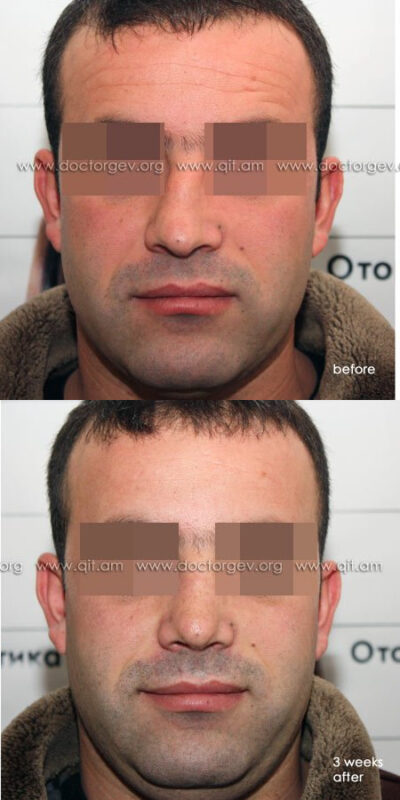
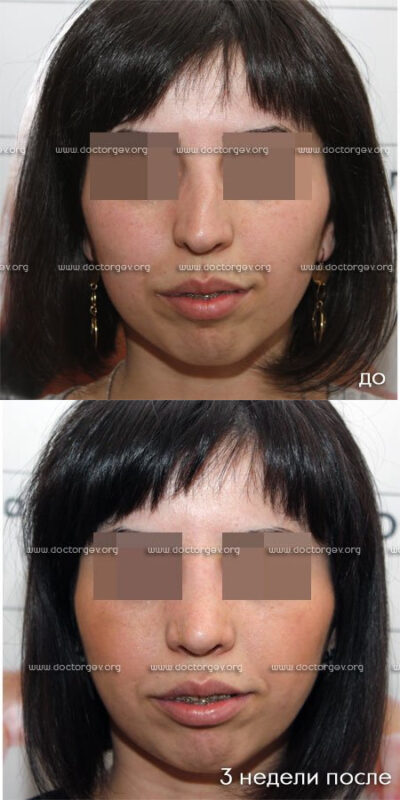
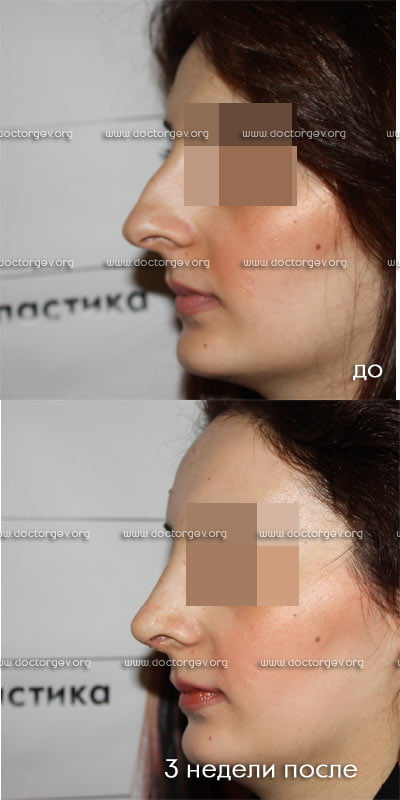
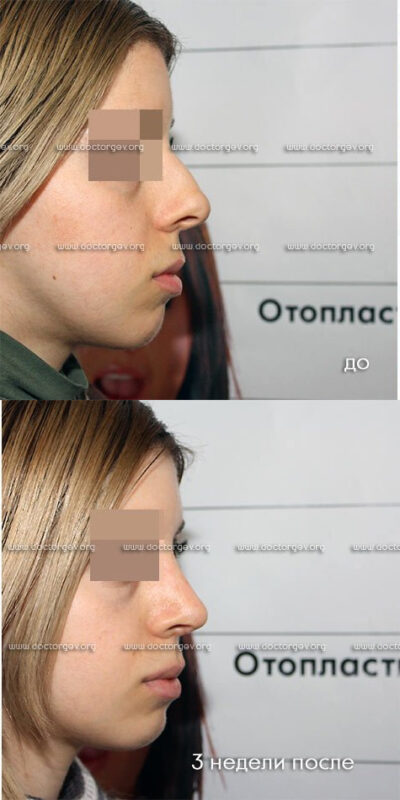
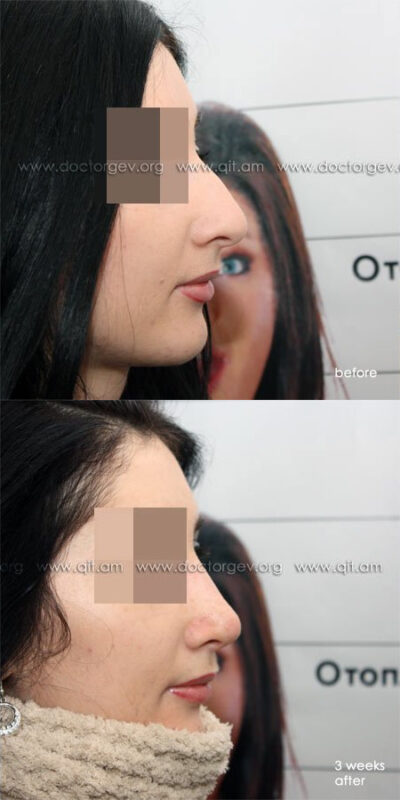
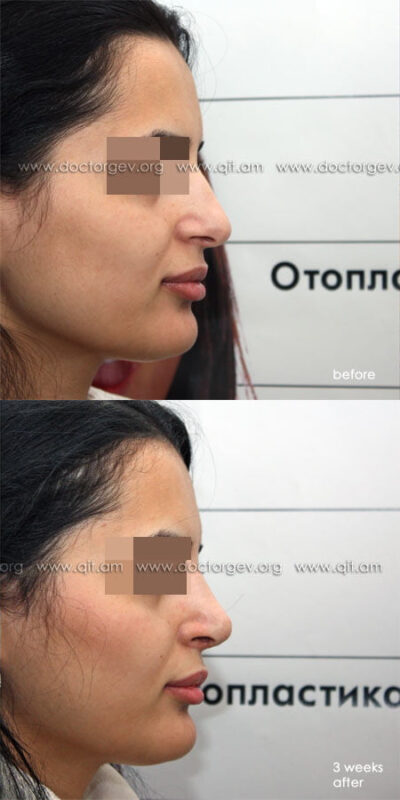
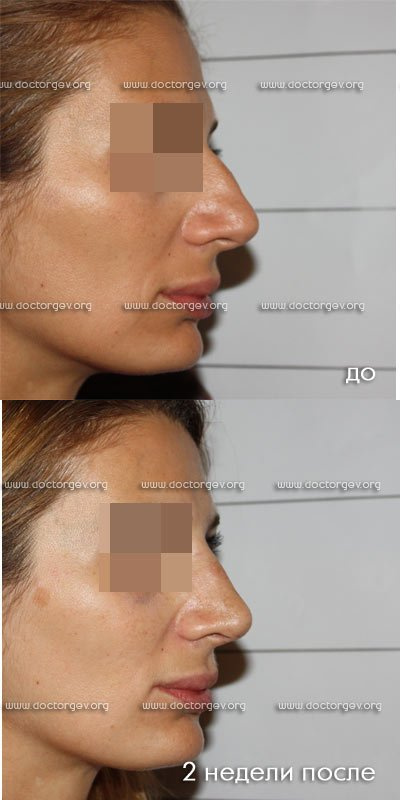
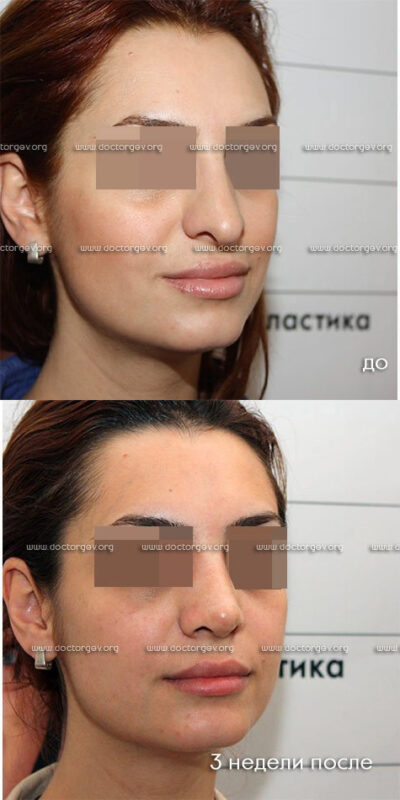
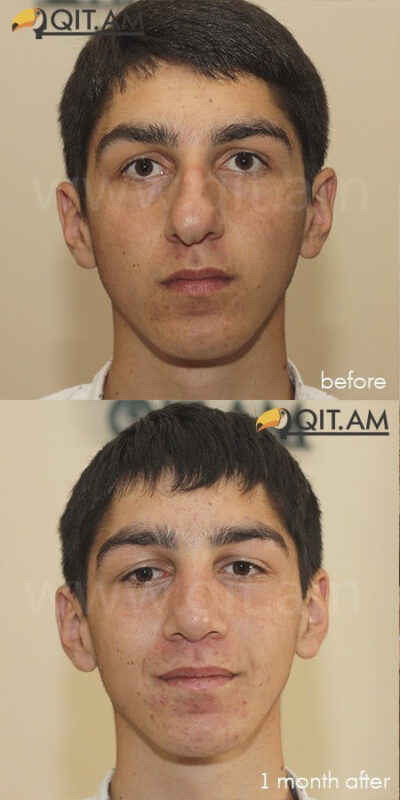
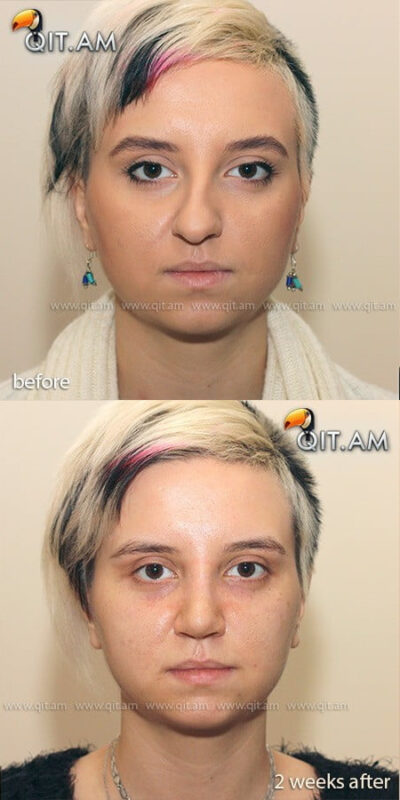
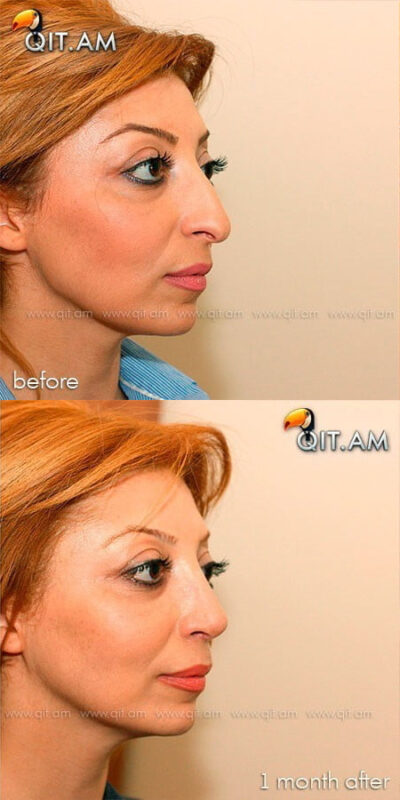
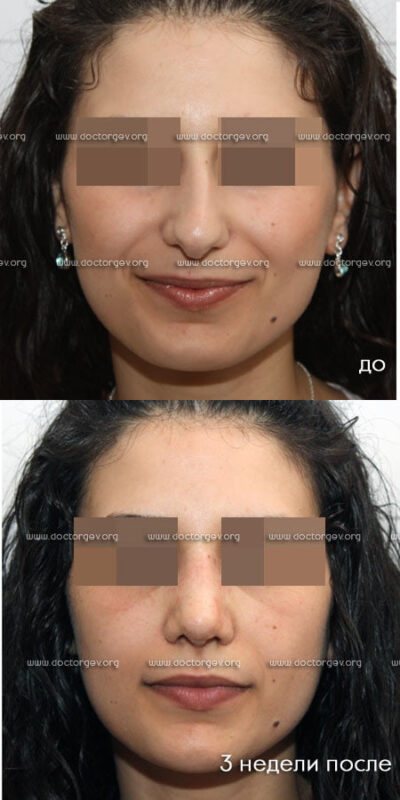
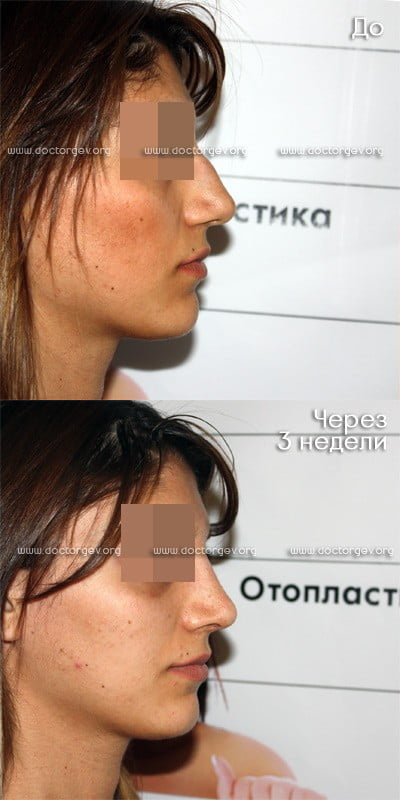
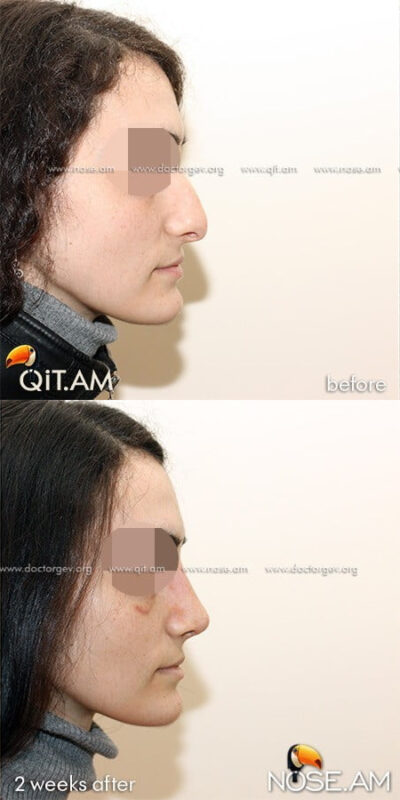
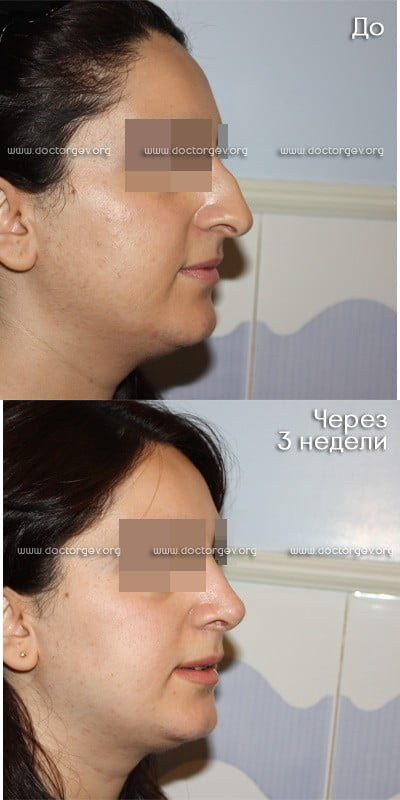
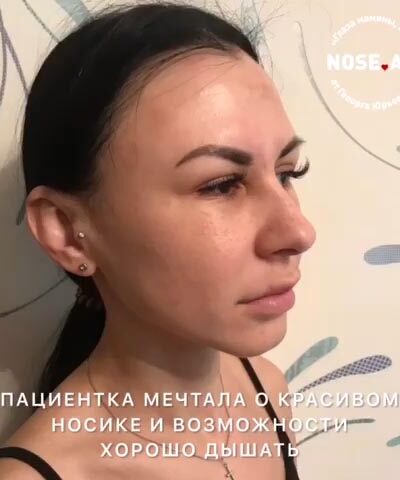
- Weeks 2–4: swelling decreases noticeably, but not evenly. The tip of the nose remains swollen longer than any other area.
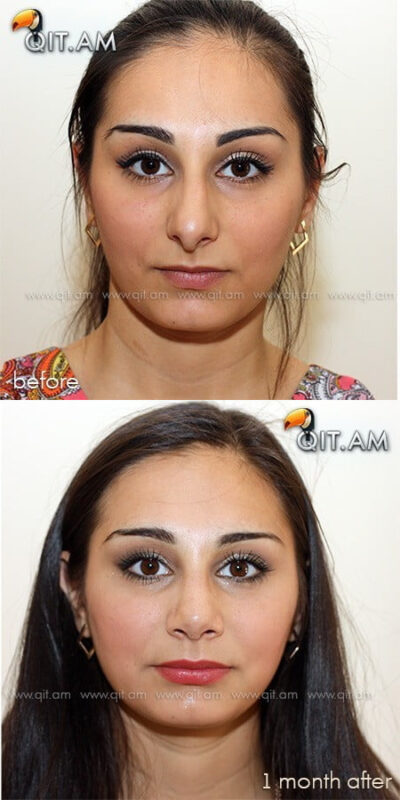
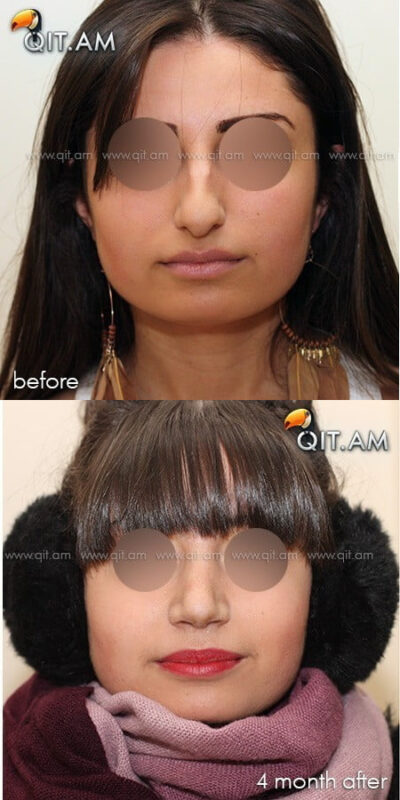
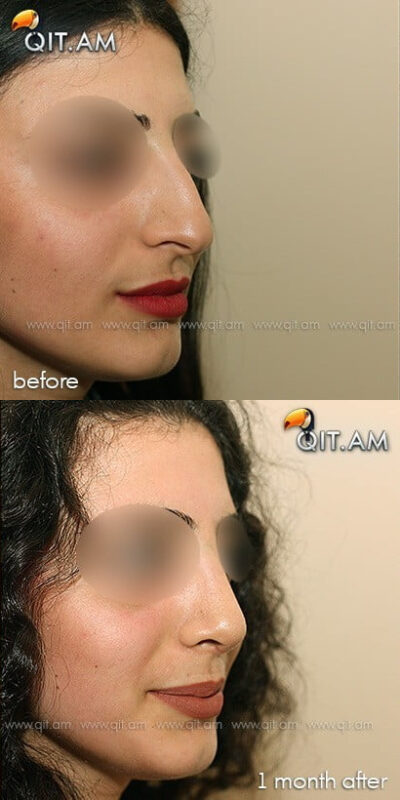
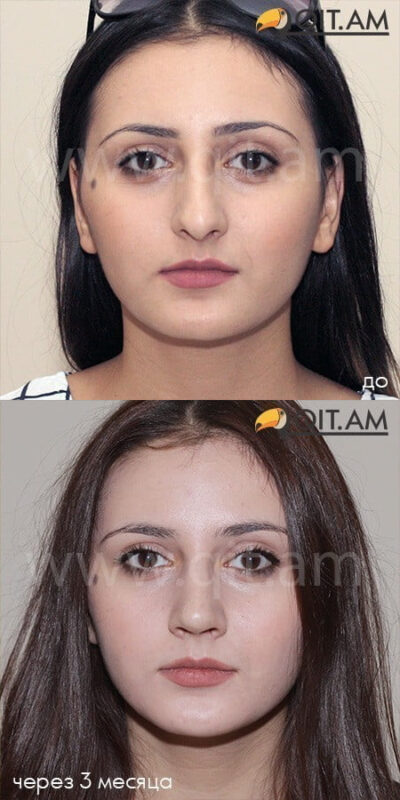
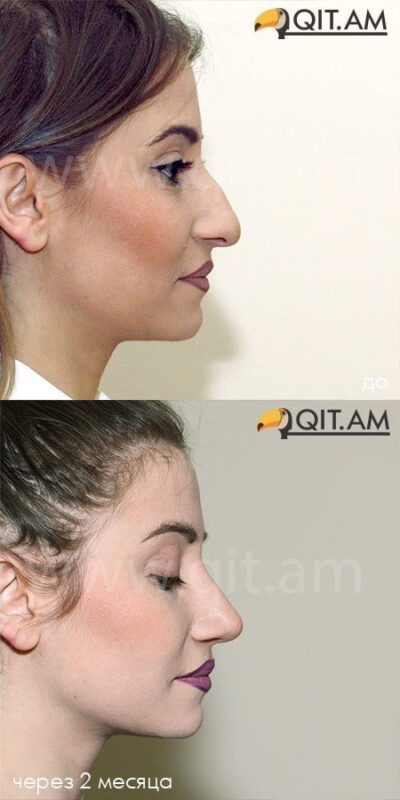
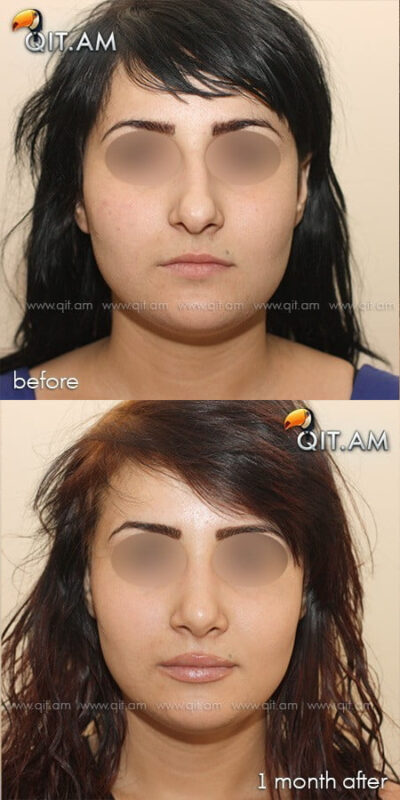
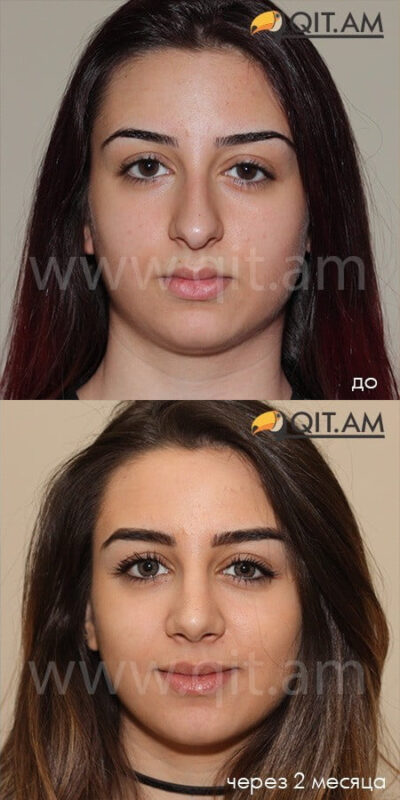
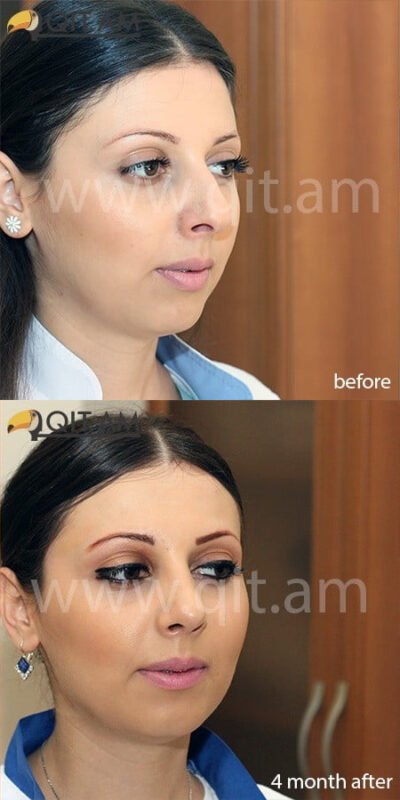
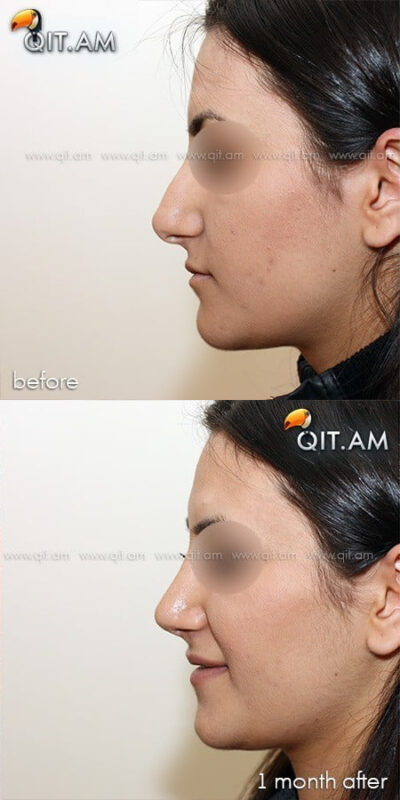
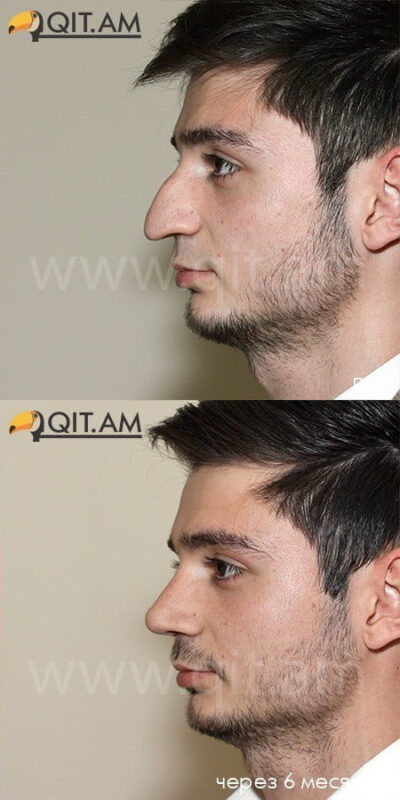
- Months 2–3: most of the swelling subsides. The shape becomes more defined, and the first outlines of the result become visible. This is still not the final result — the tip will continue to change.
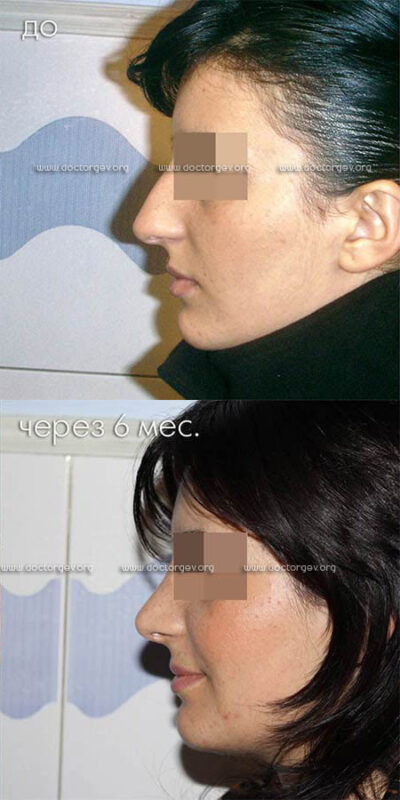
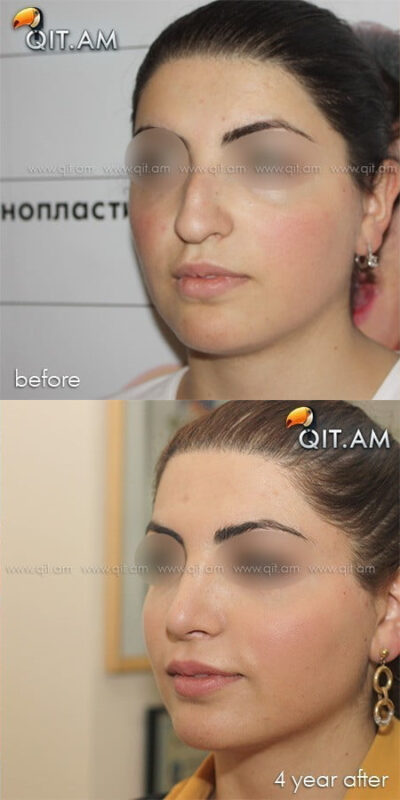
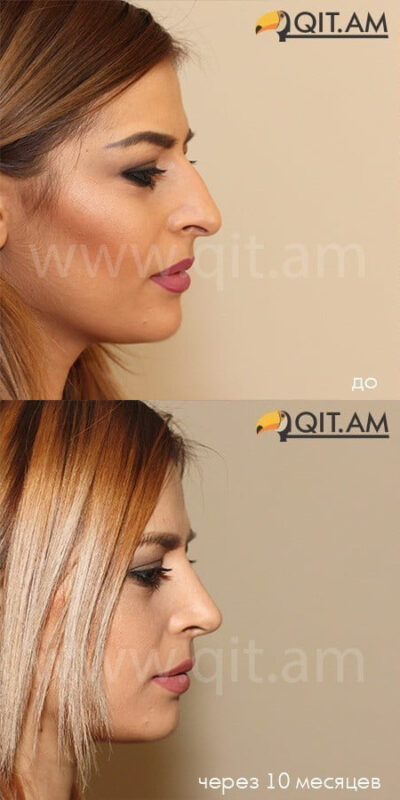
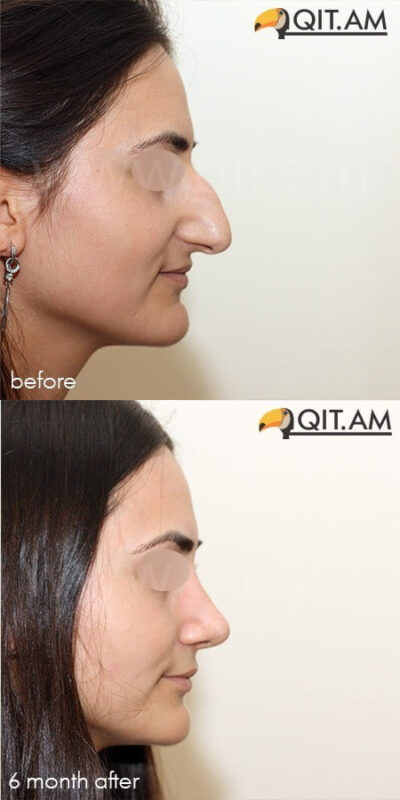
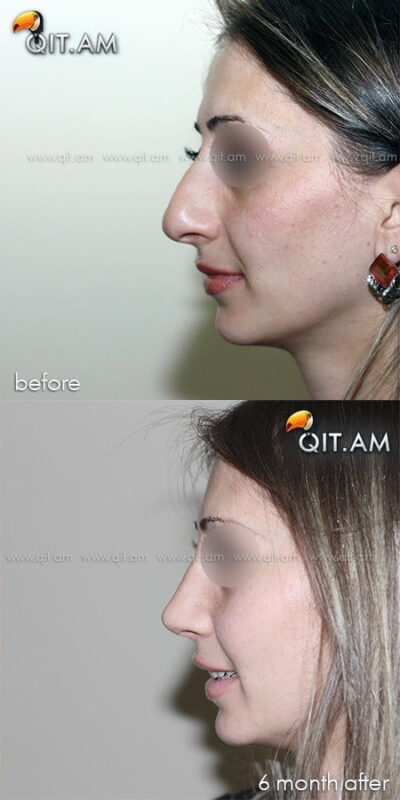
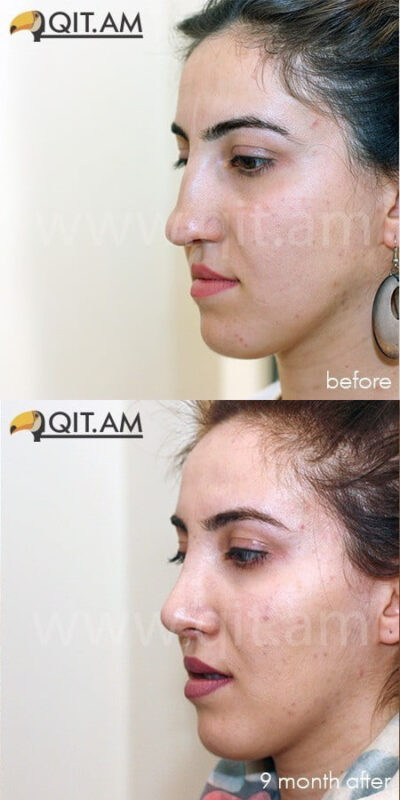
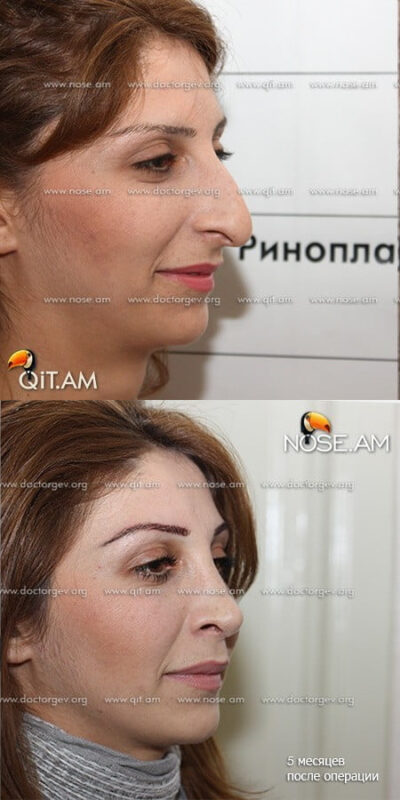
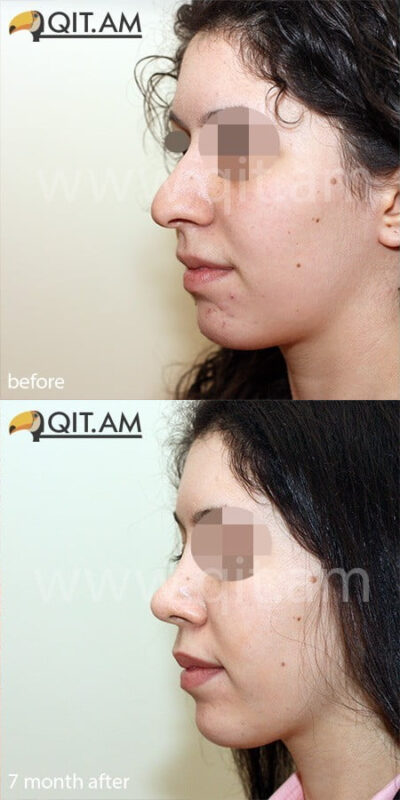
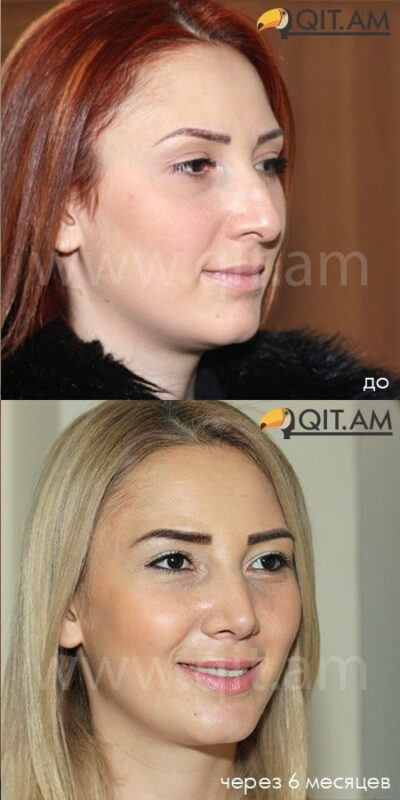
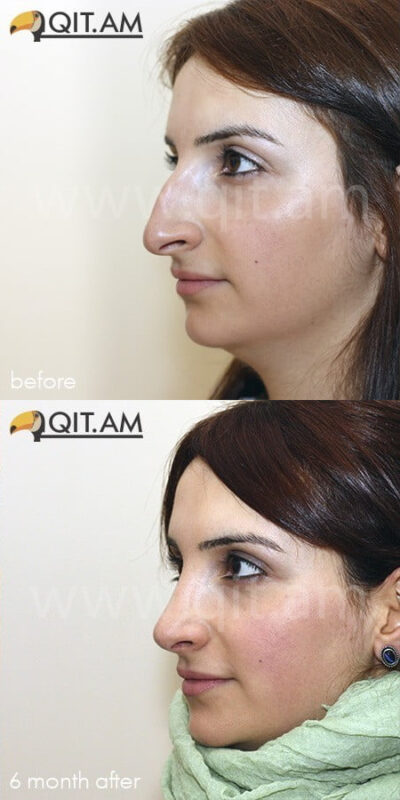
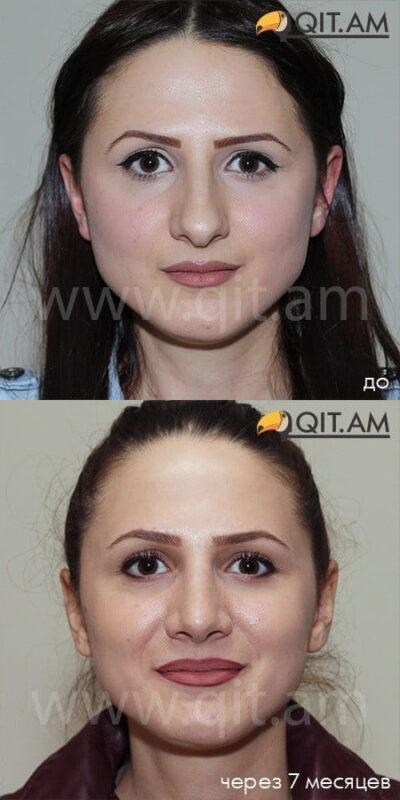
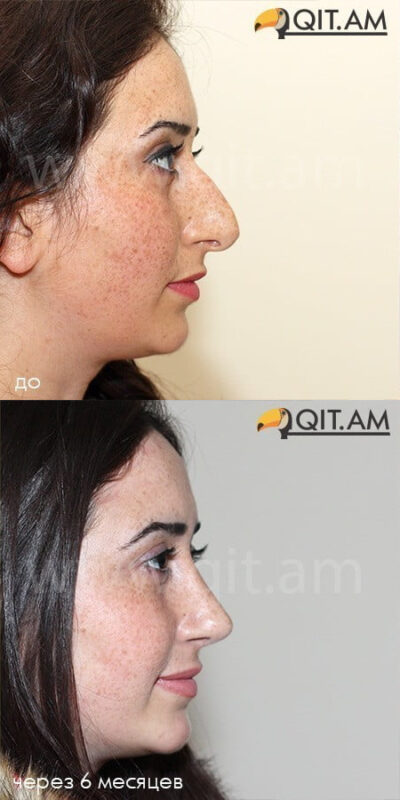
- 6 months: approximately 75–80% of the final result is visible. This is when the first well-founded conclusions can be made.
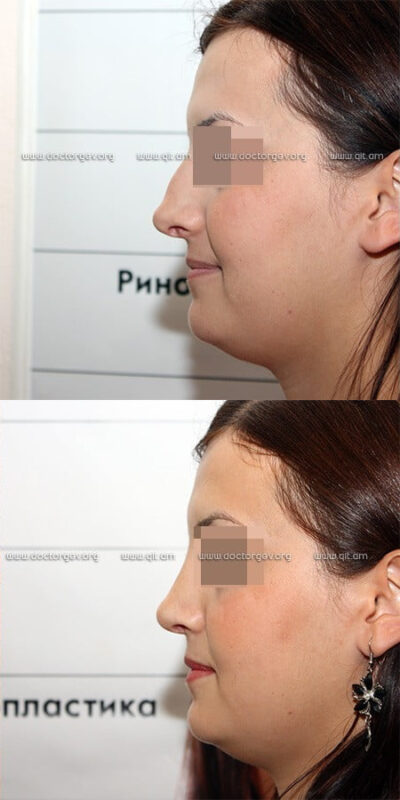
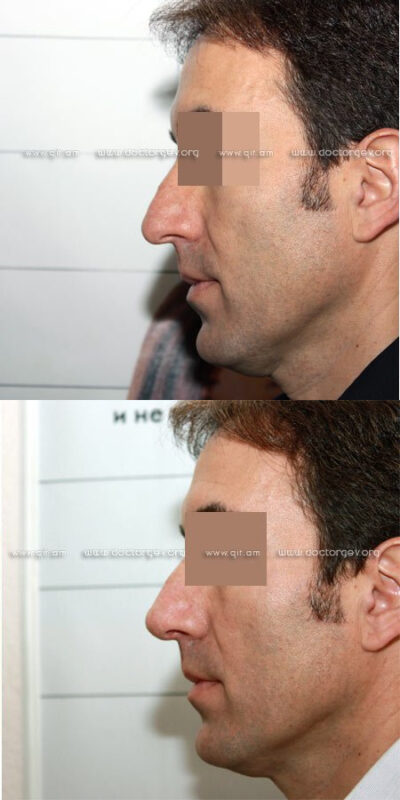
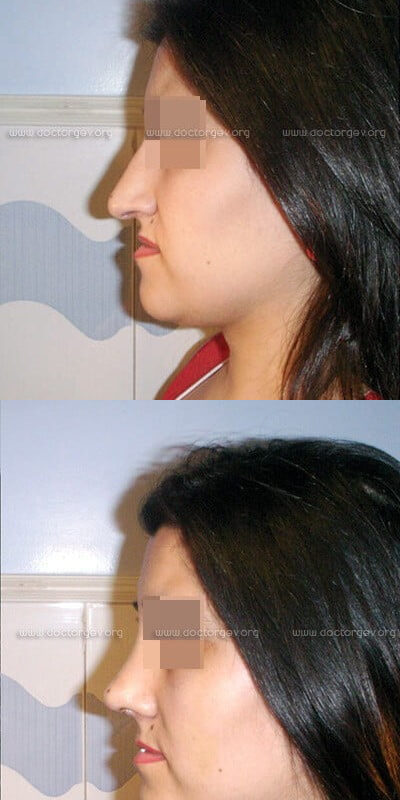
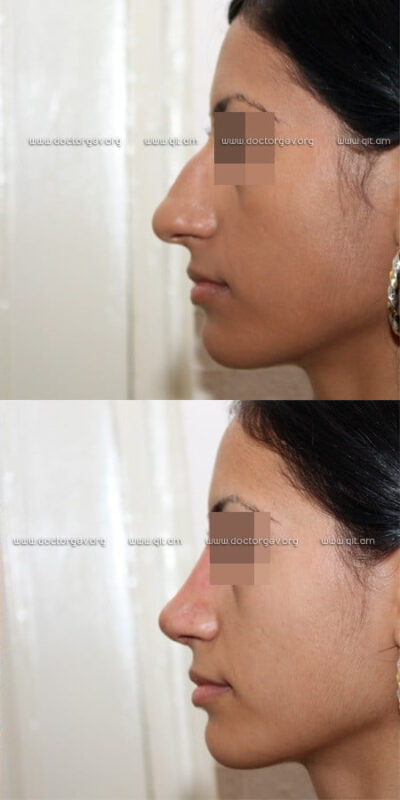
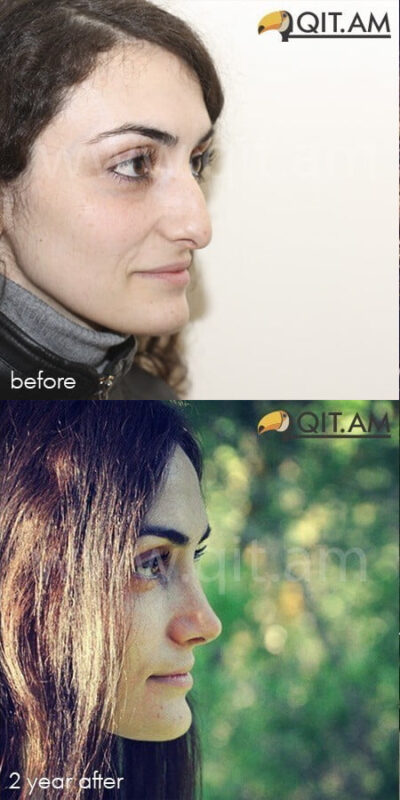
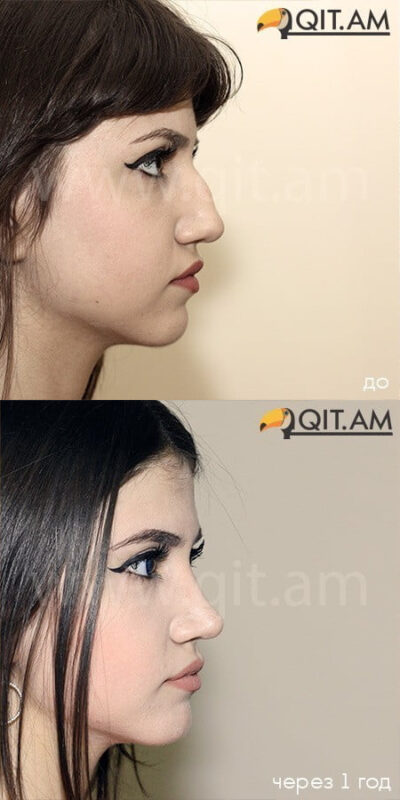
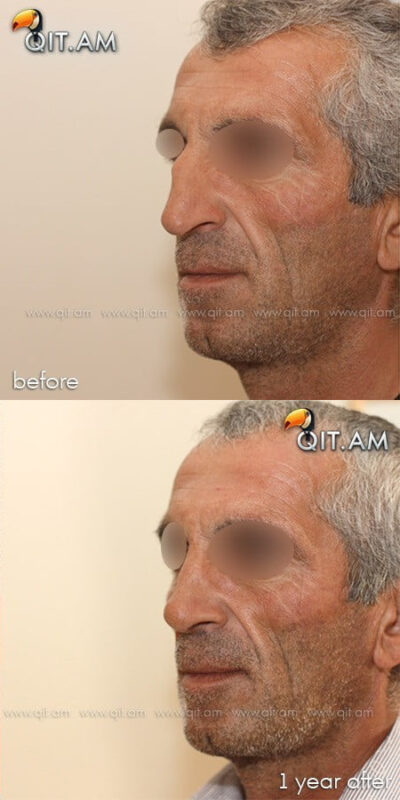
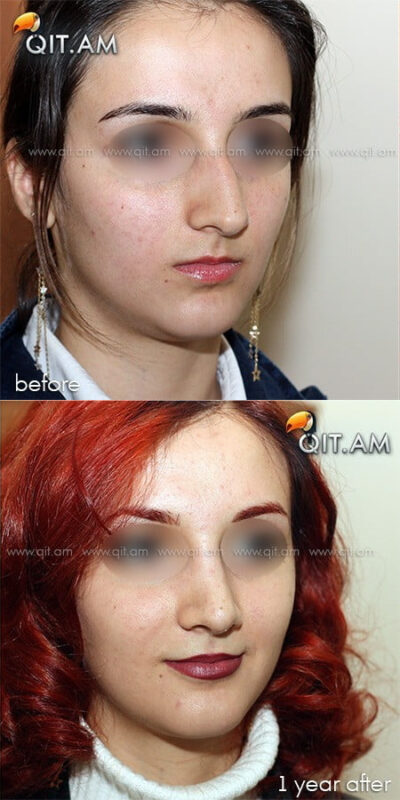
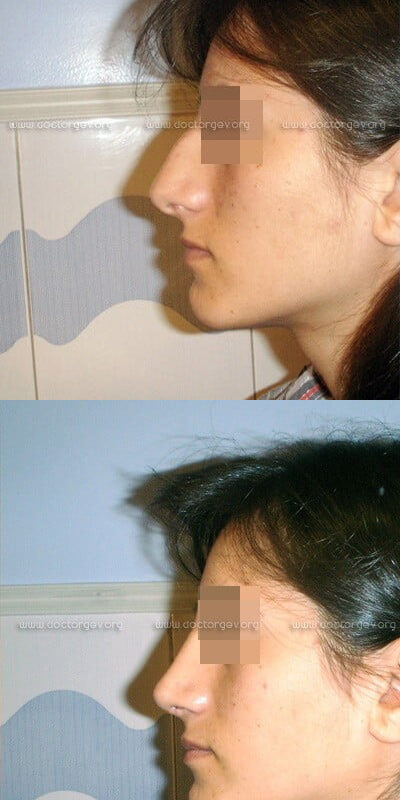
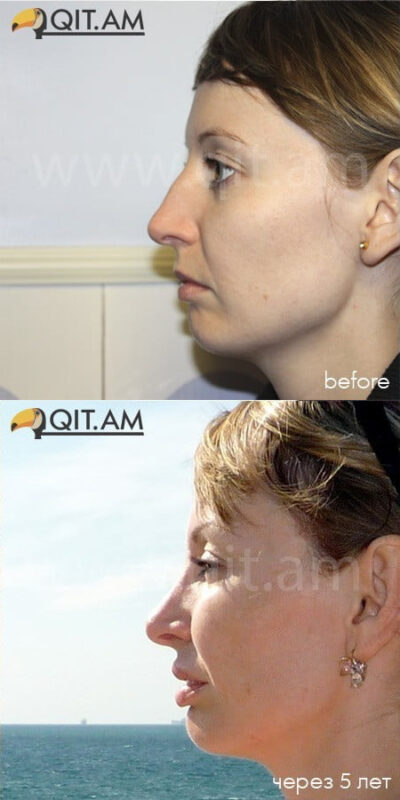
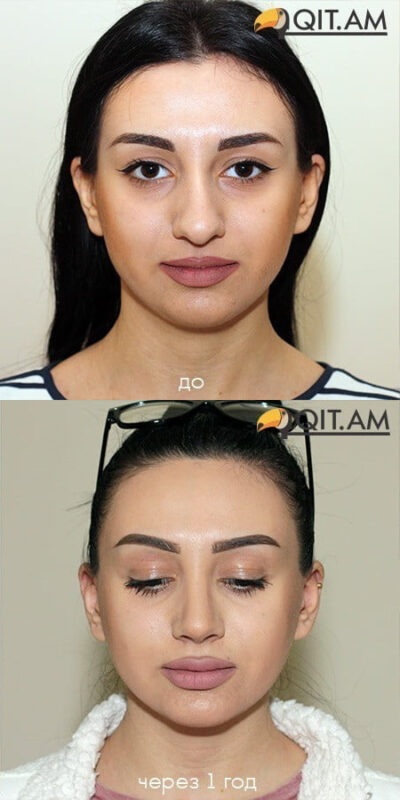
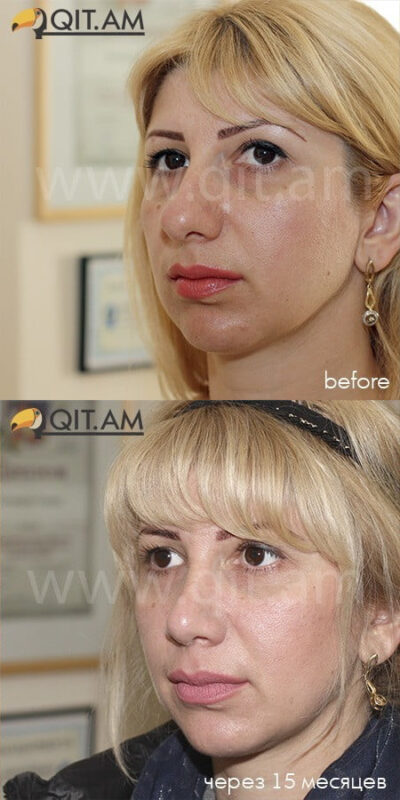
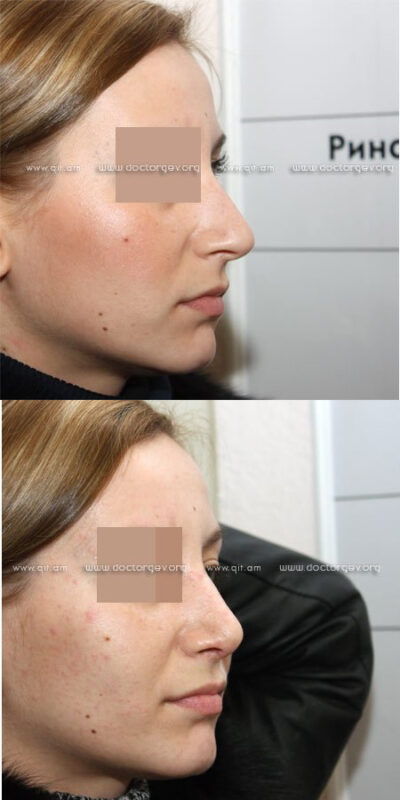
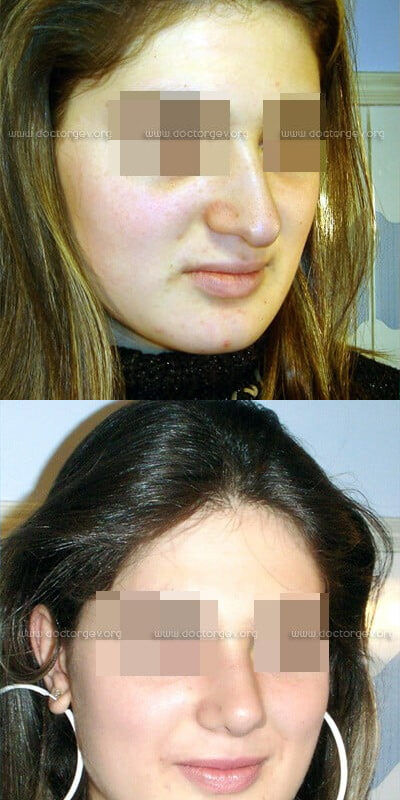
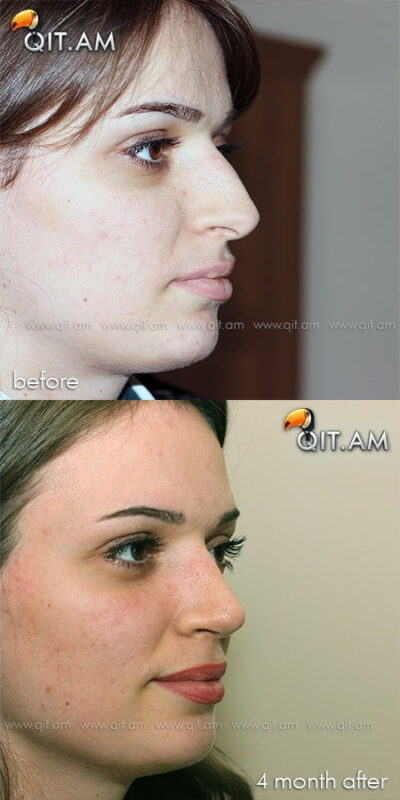
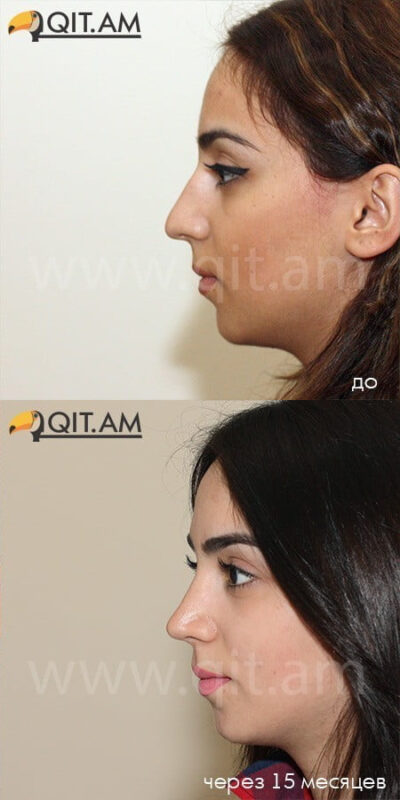
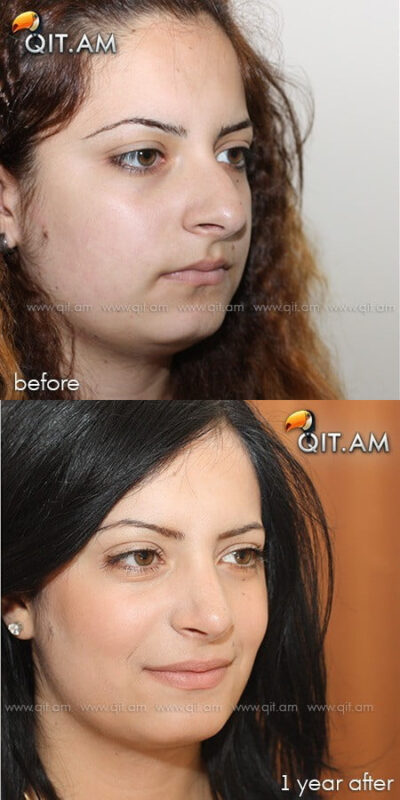
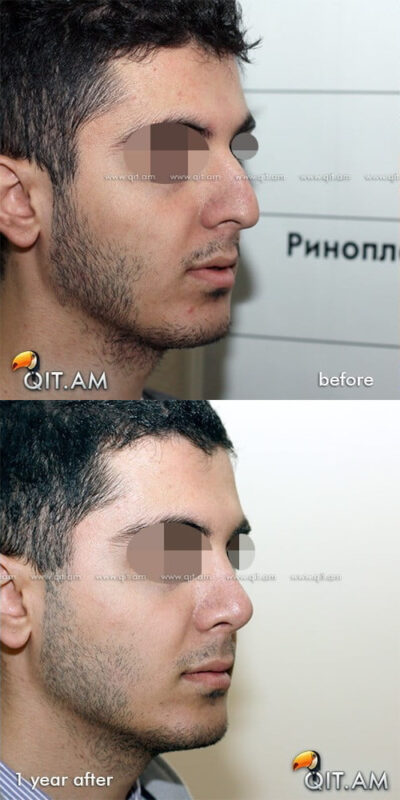
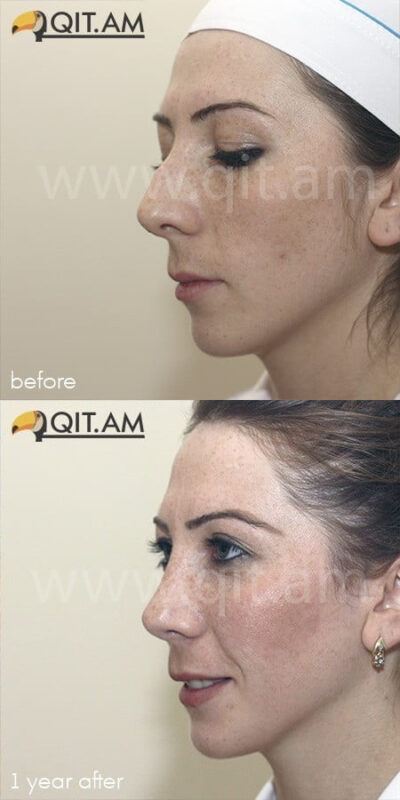
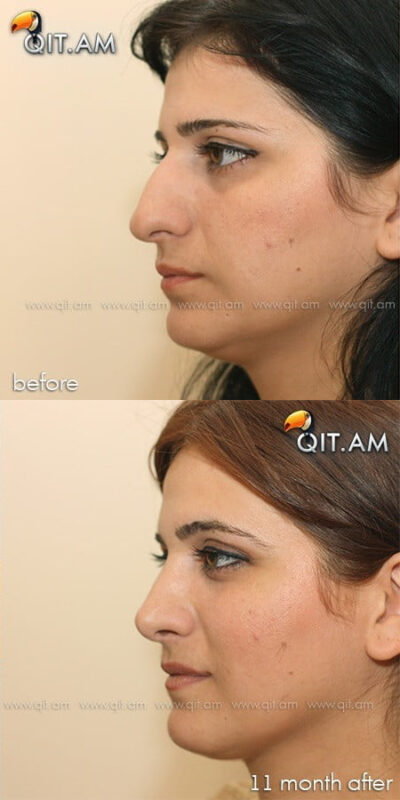
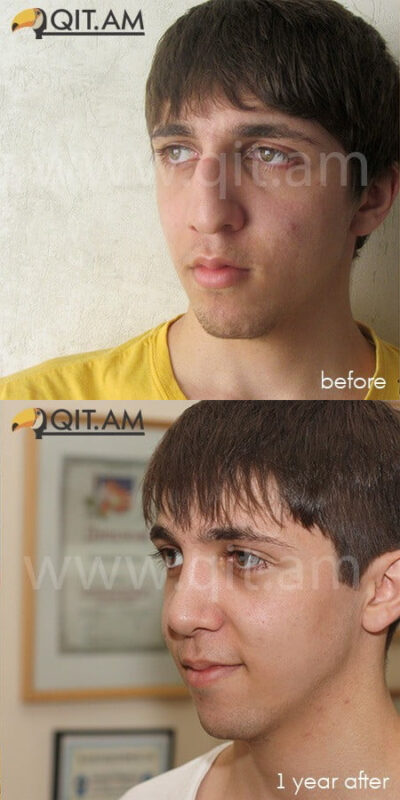
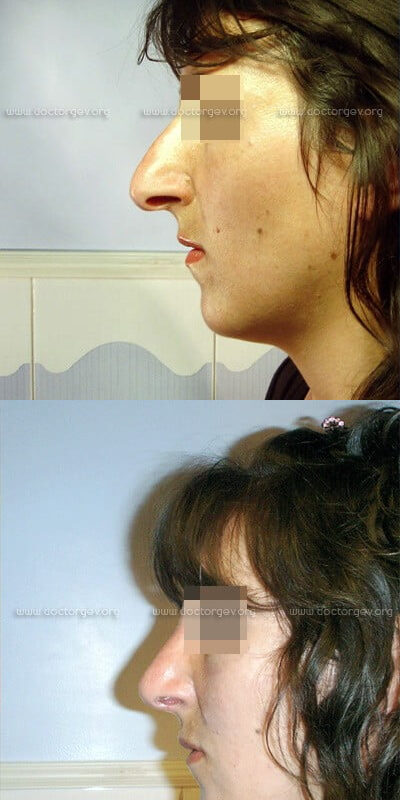
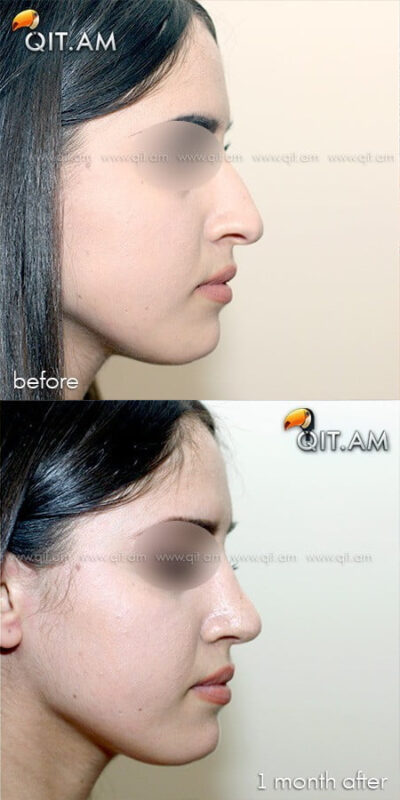
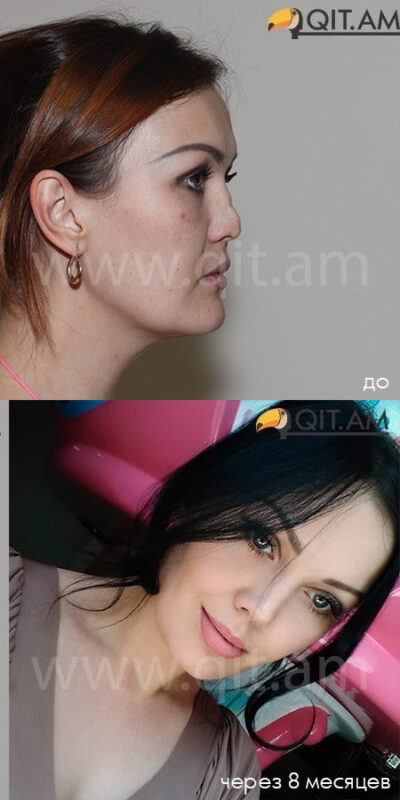
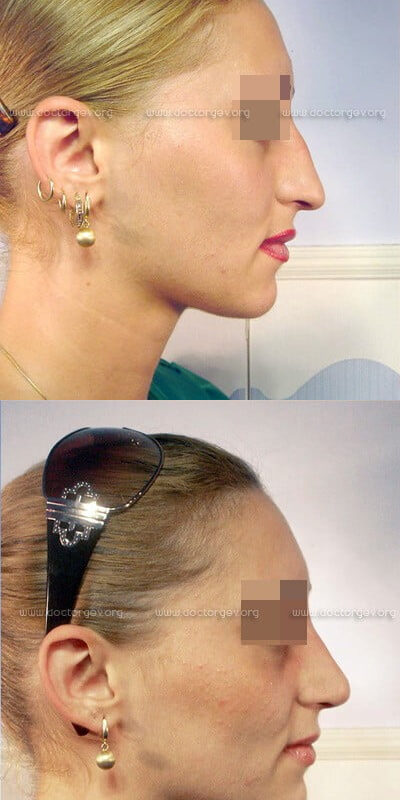
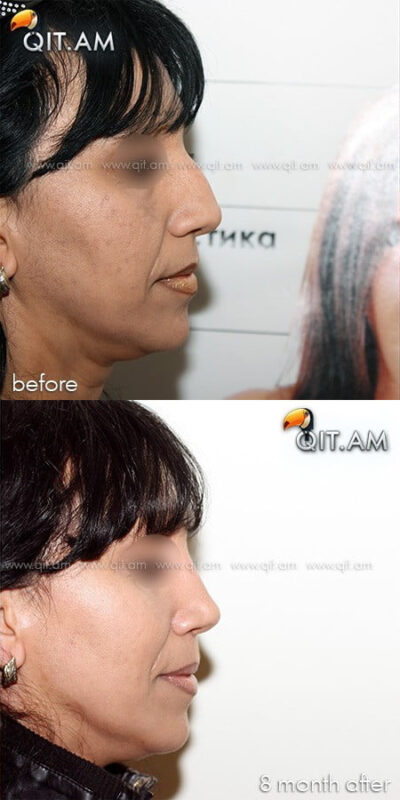
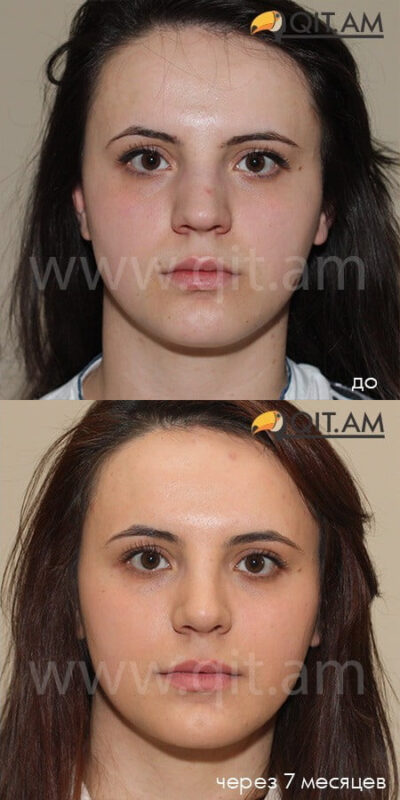
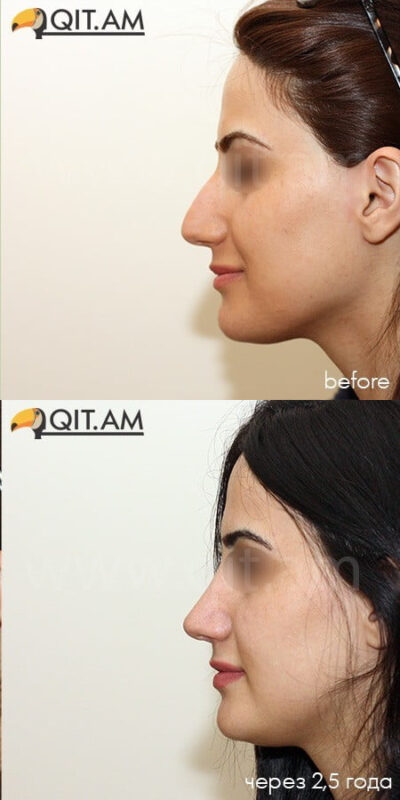
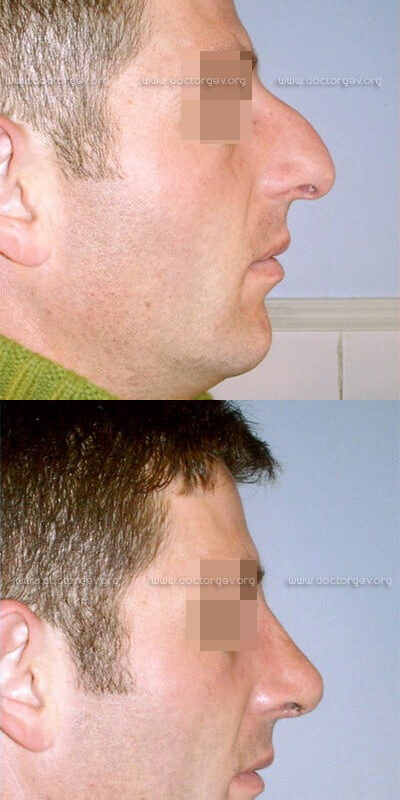
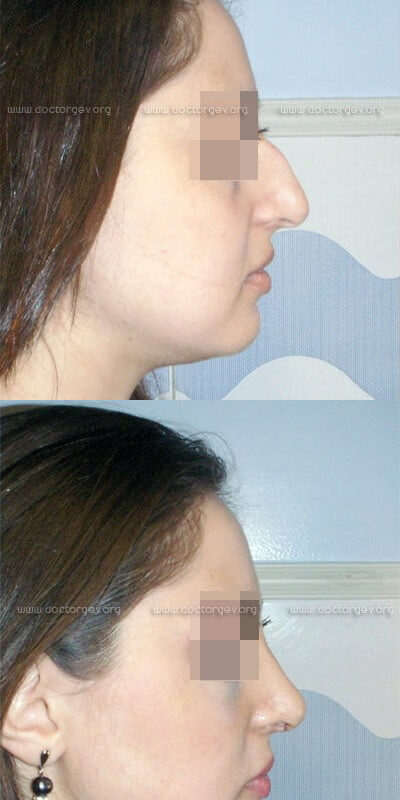
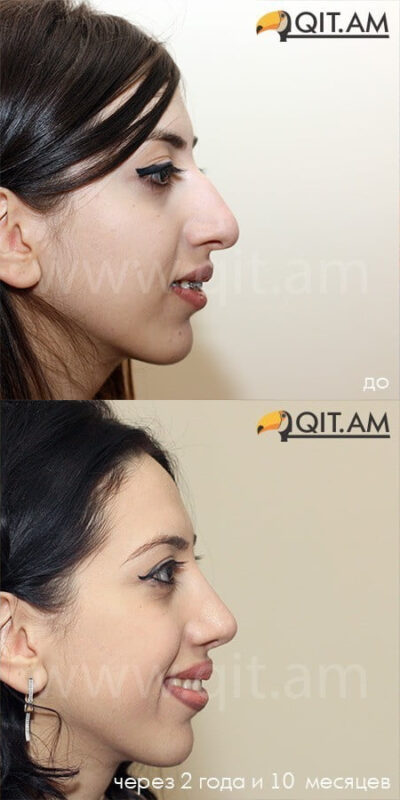
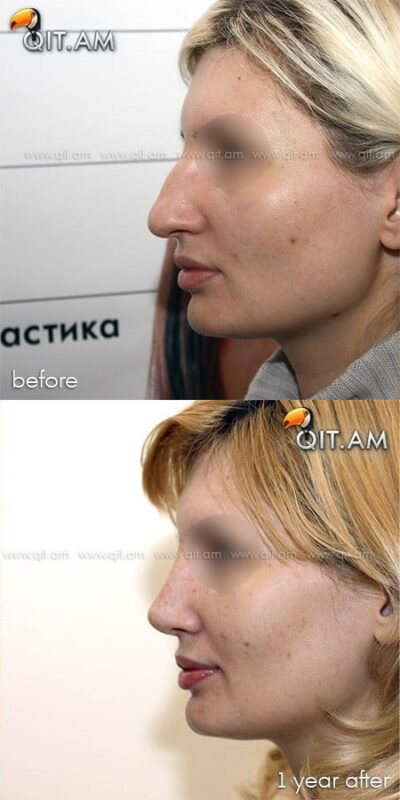
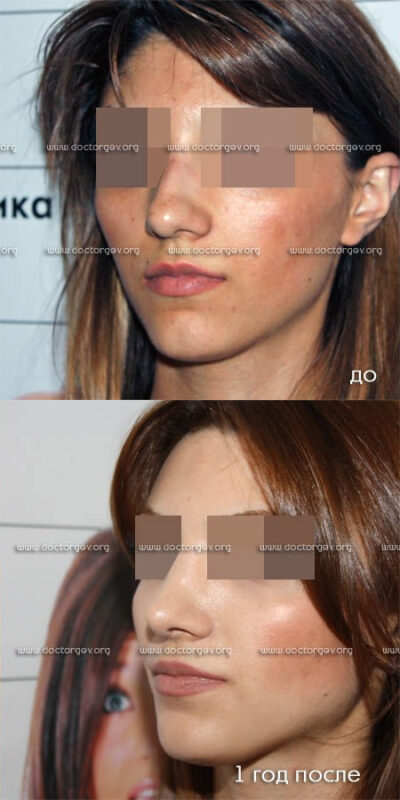
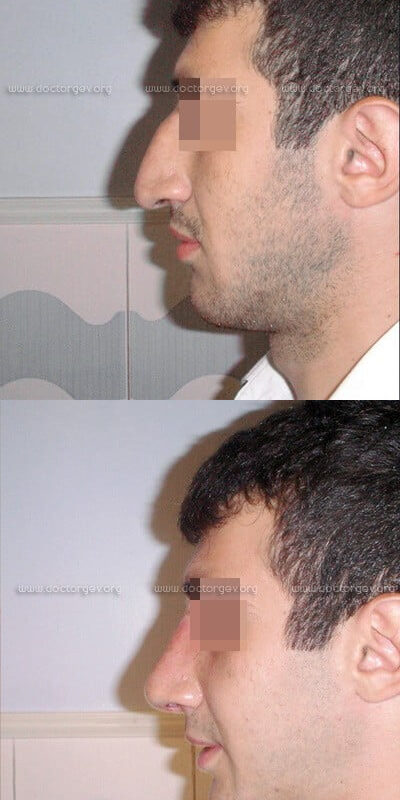
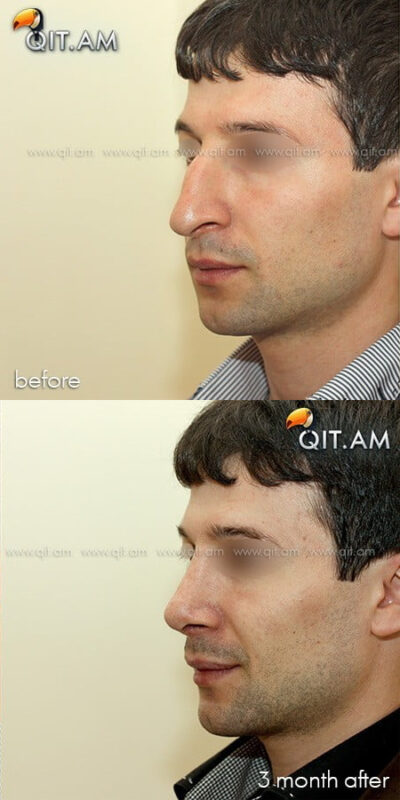
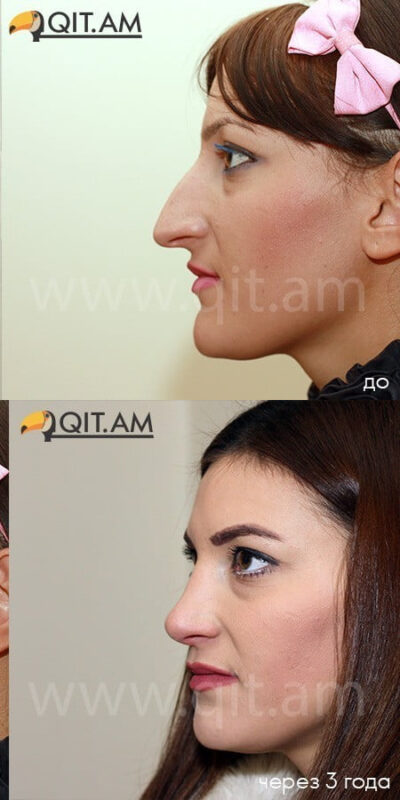
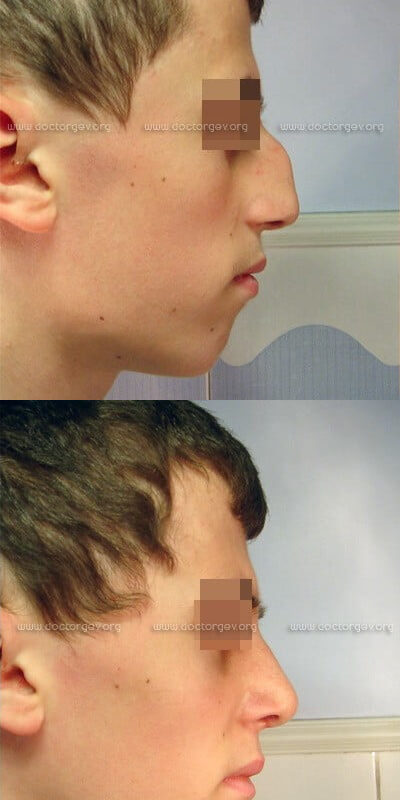
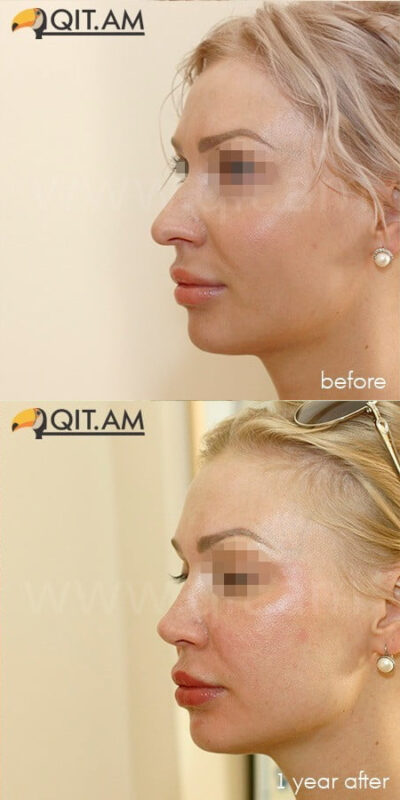
- 12 months: the result has fully developed. This is the appropriate point for the final assessment and comparison with the preoperative appearance.
What you must avoid — and why
- Exposure to heat (steam baths, saunas, hot baths, direct sunlight): heat dilates blood vessels, increases swelling, and may provoke bleeding. Avoid it for at least 3 months.
- Strenuous exercise: increased blood pressure slows the reduction of swelling. Light walking is allowed after 2 weeks; cardio and strength training after 4–6 weeks.
- Glasses resting on the bridge of the nose: pressure may deform cartilage and soft tissues that have not yet fully healed. For at least 6 months, use contact lenses or a special forehead support tape for glasses.
- Blowing your nose: sudden pressure during the first few weeks may disturb the position of the nasal septum. I teach a special “Buratino” method for safely clearing the nasal cavity.
- Aspirin and ibuprofen without prior approval: these medications increase the risk of bleeding. Use pain medication only according to the prescribed regimen.
- Alcohol: it dilates blood vessels and slows tissue regeneration. Avoid it for at least 1 month.
- Smoking: recovery of the nasal mucosa is significantly slower in patients who smoke. Avoid smoking or reduce it as much as possible for 1–2 months.
Why monitoring your progress is important
There are days when the nose looks better, and days when the swelling is more noticeable. This is normal — tissues react to lack of sleep, stress, salty food, heat, flights. One bad day is not a reason to draw conclusions.
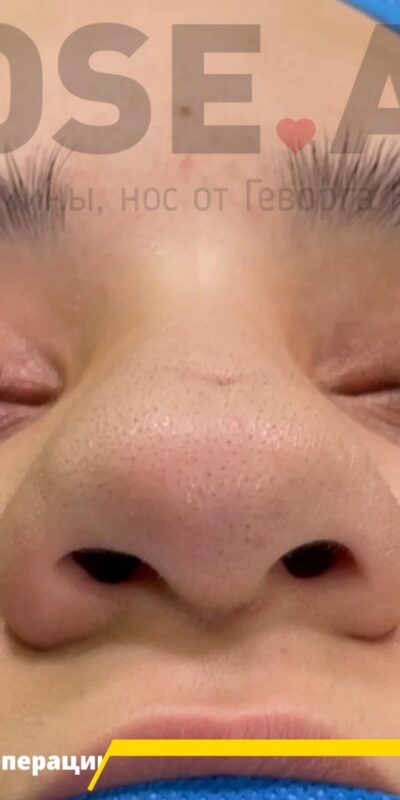
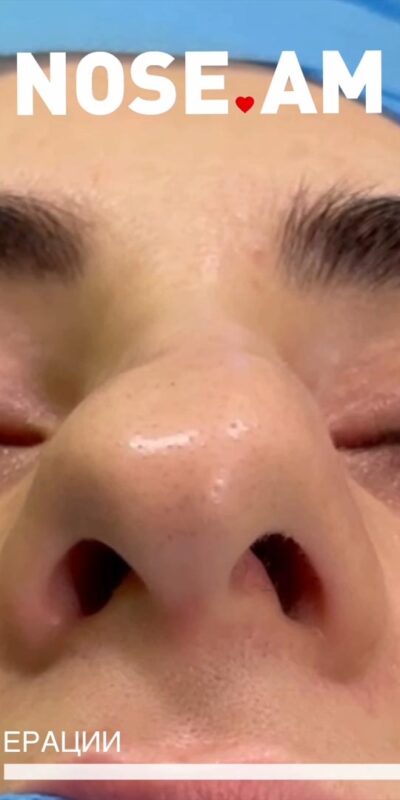
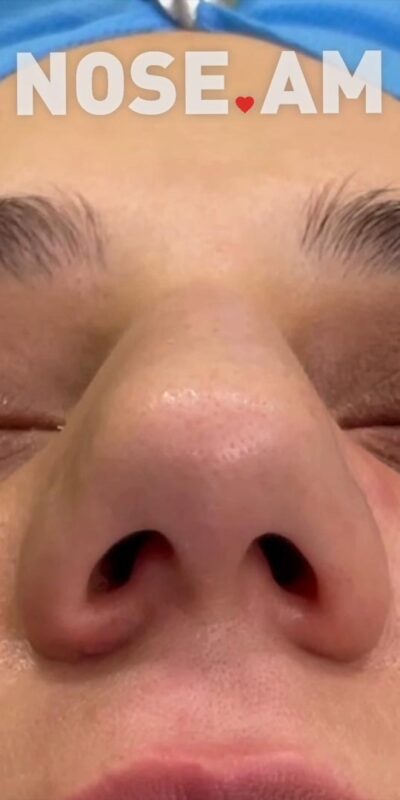
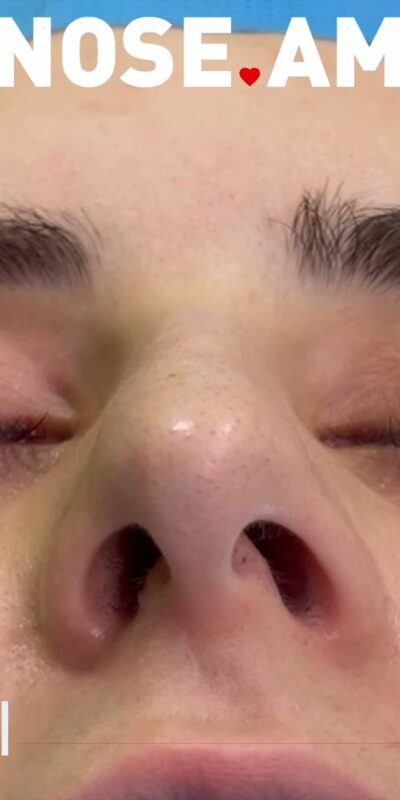
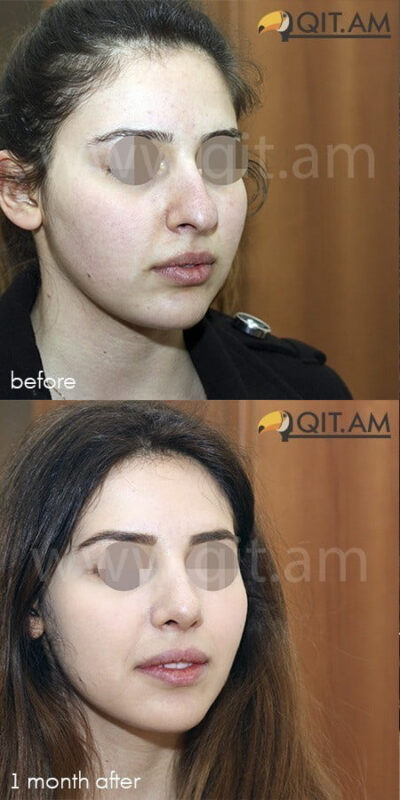
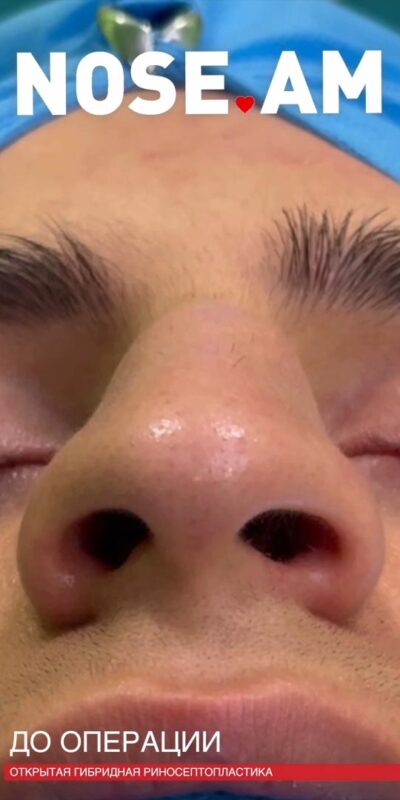
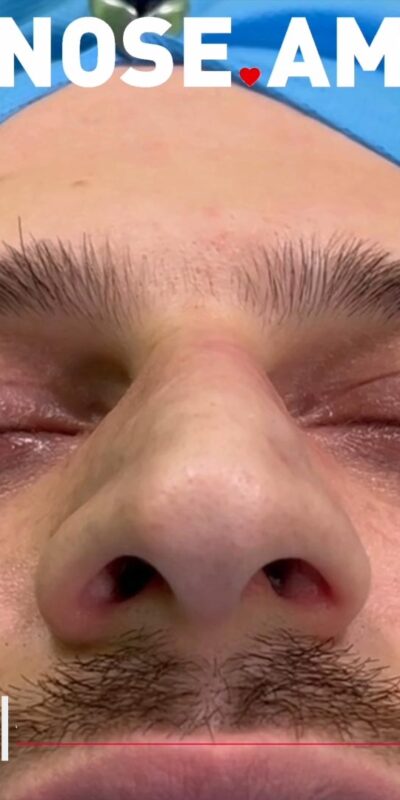
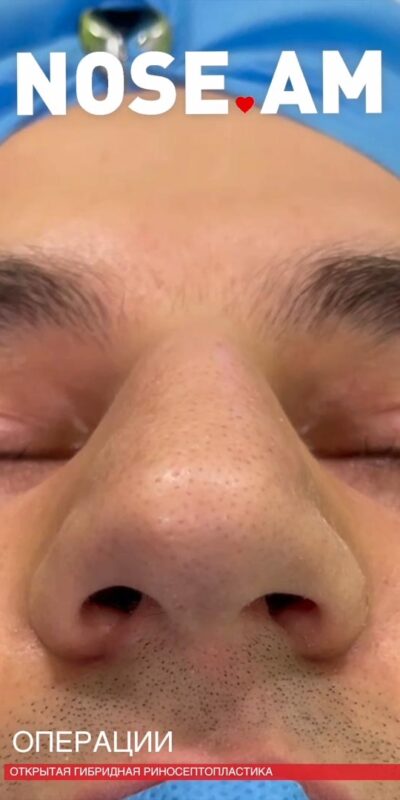
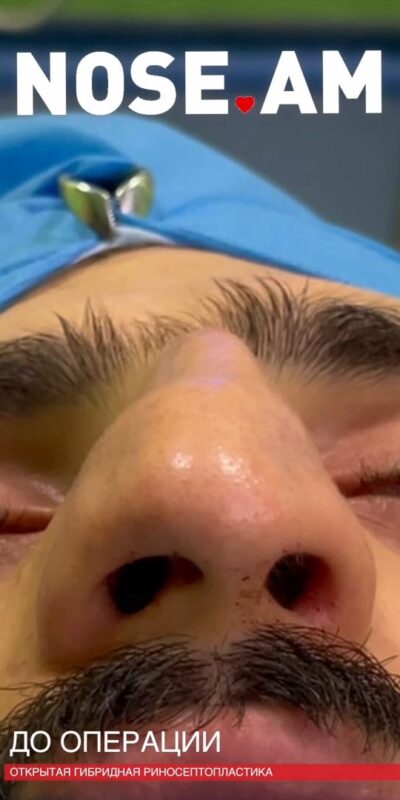
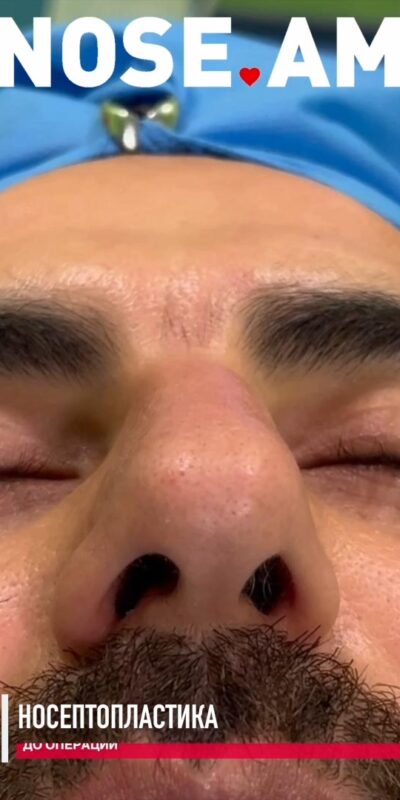
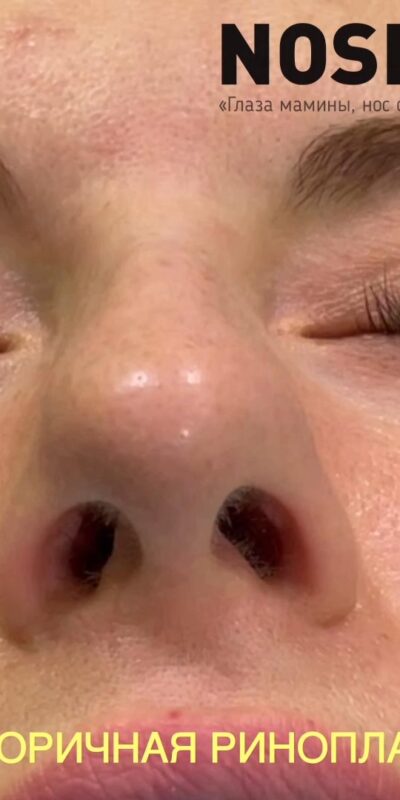
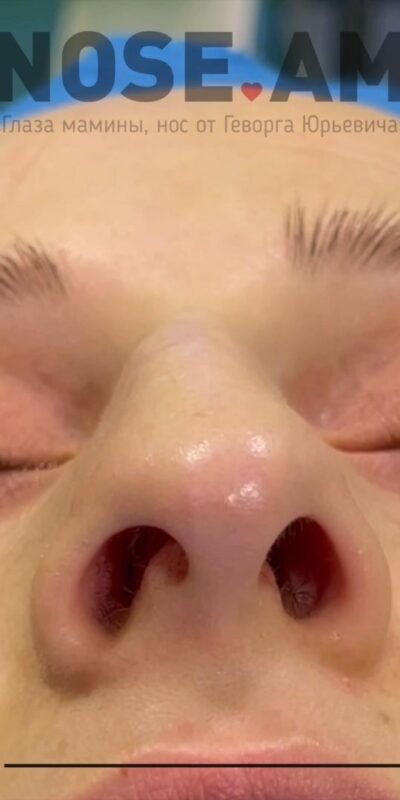
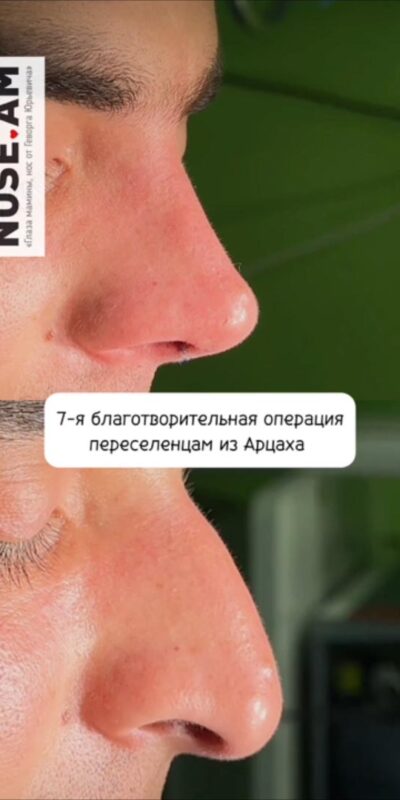
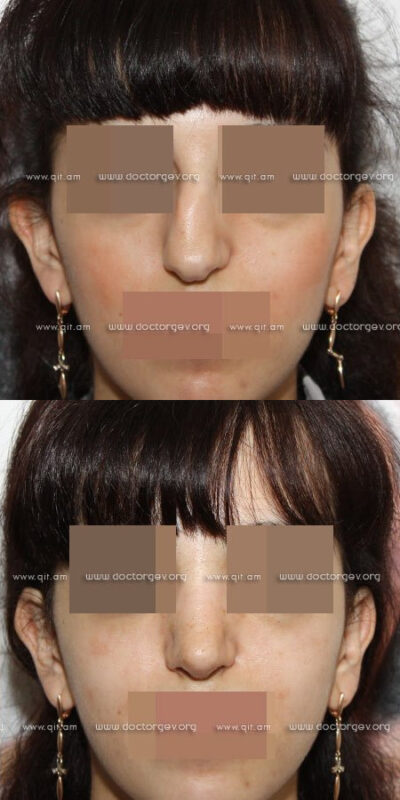
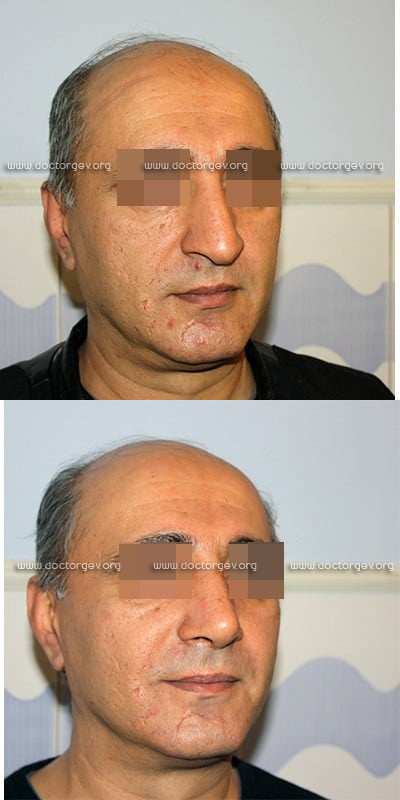
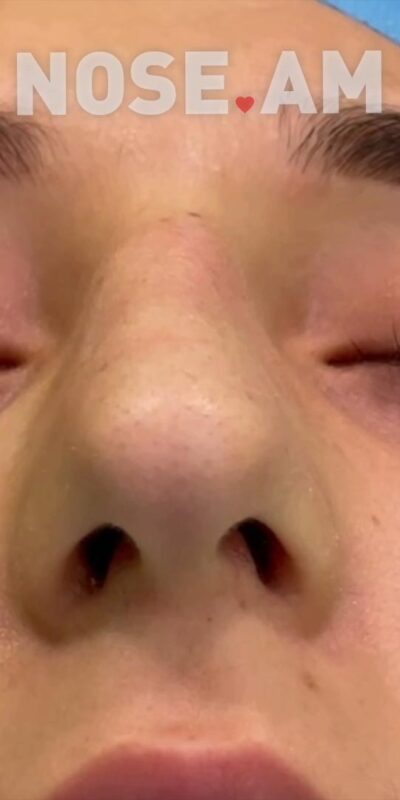
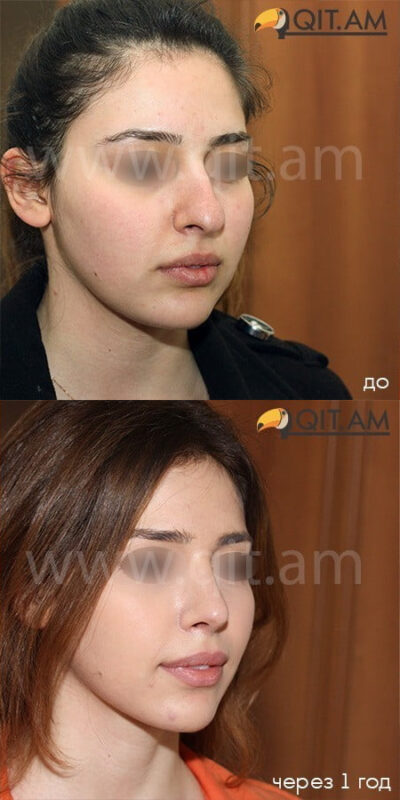
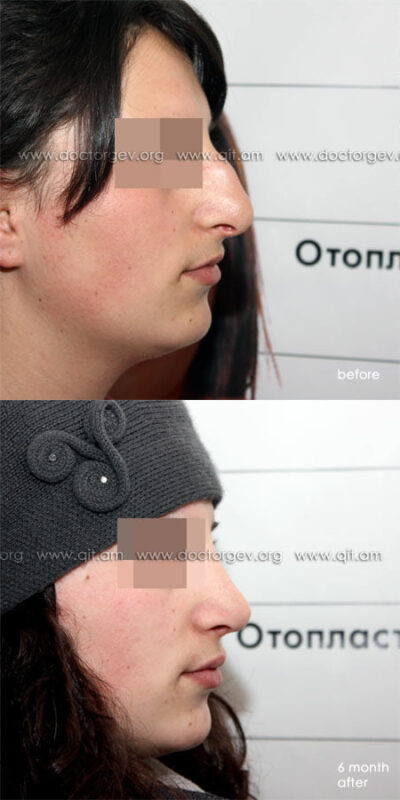
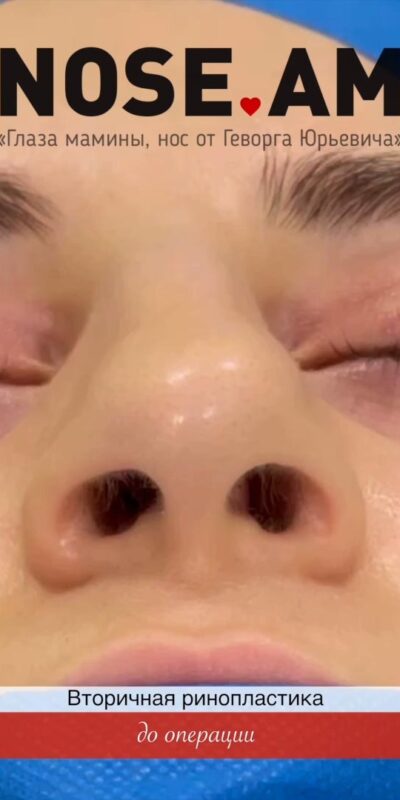
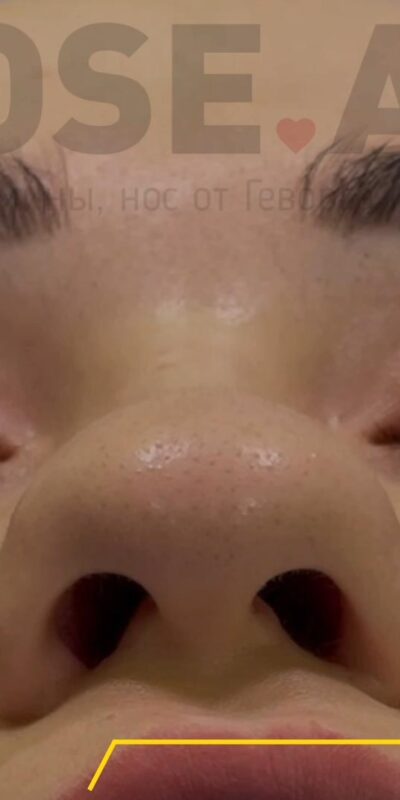
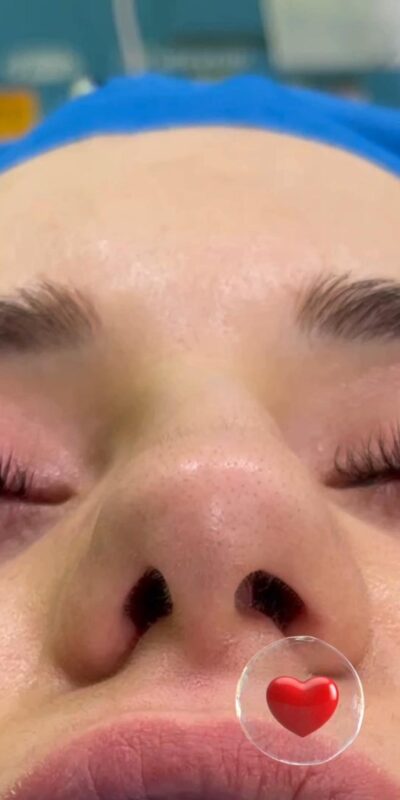
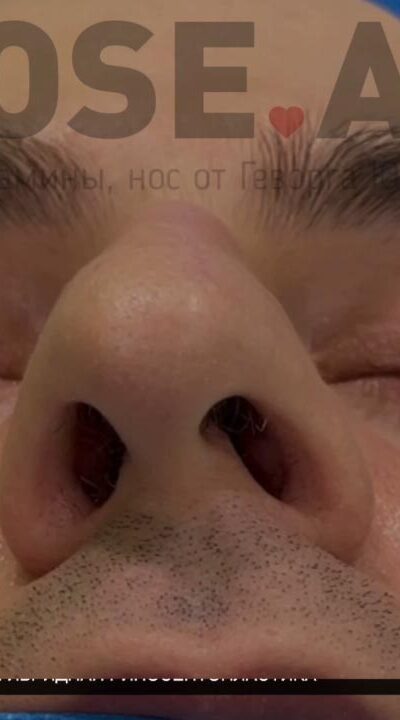
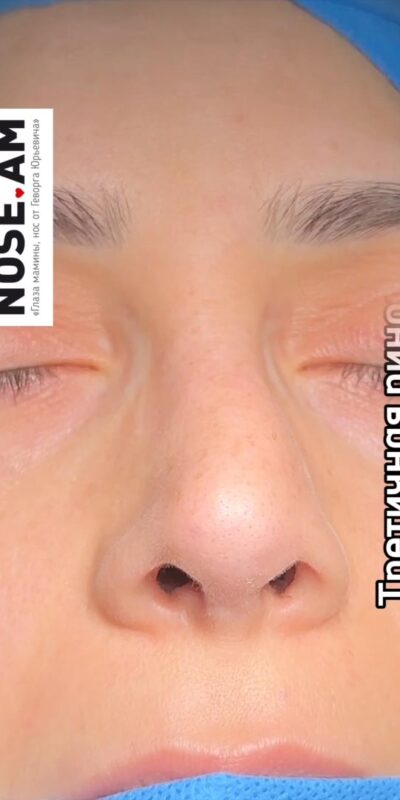
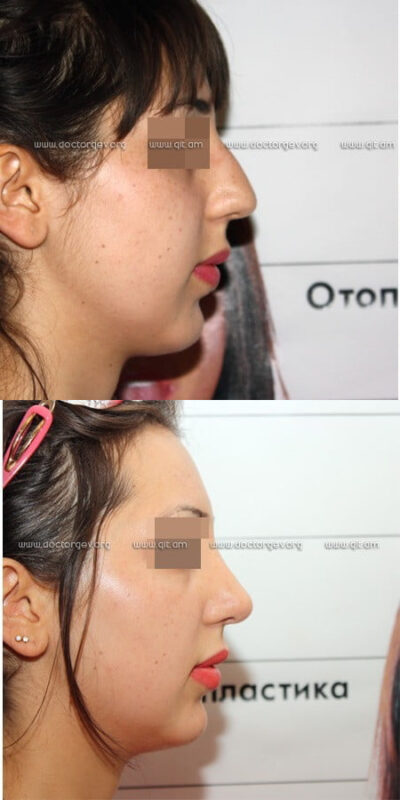
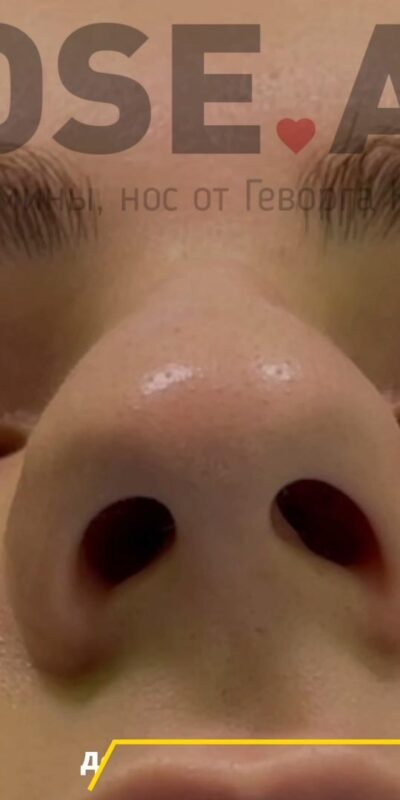
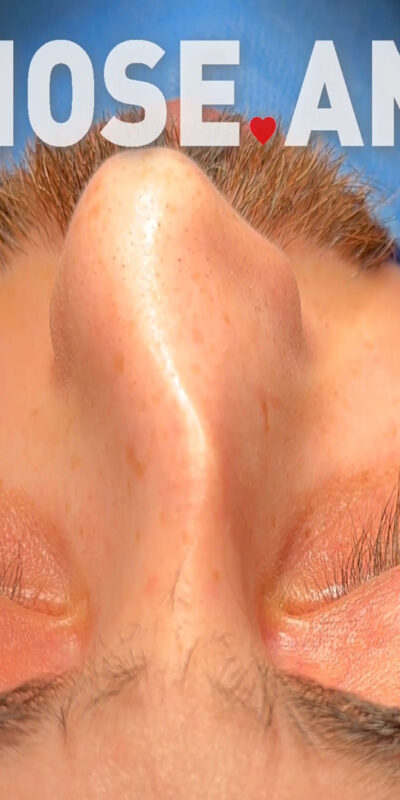
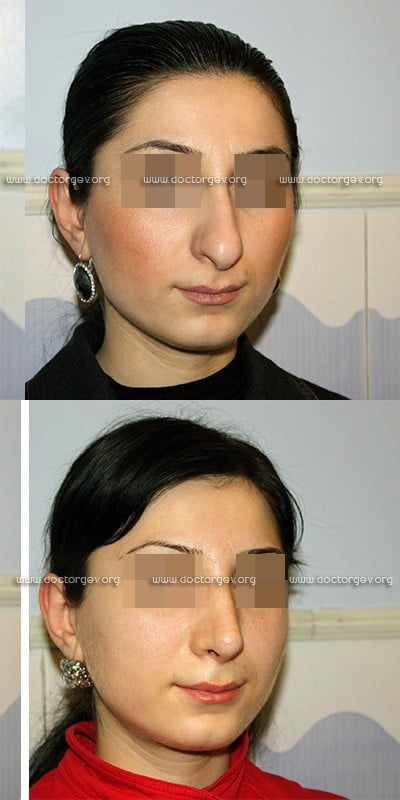
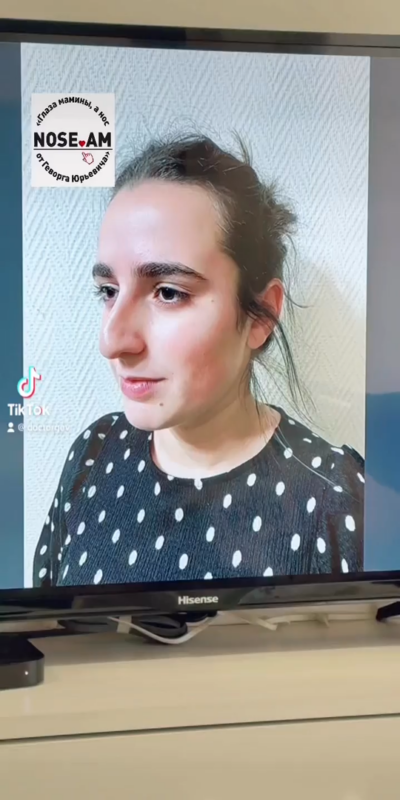
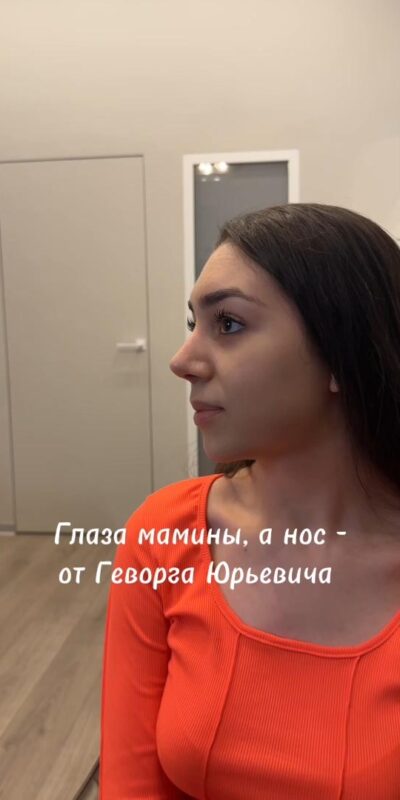
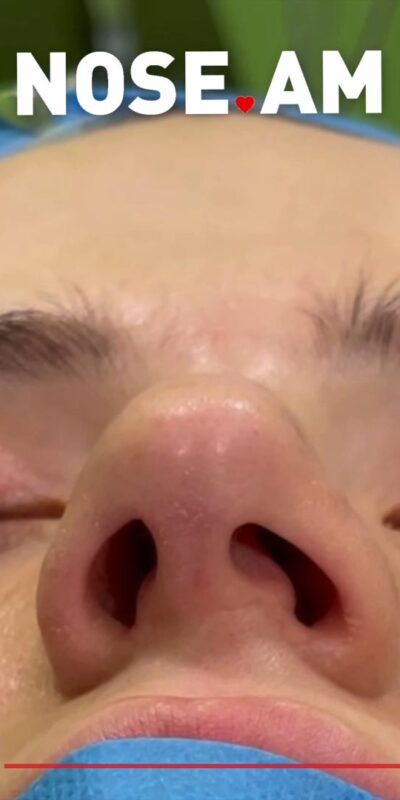
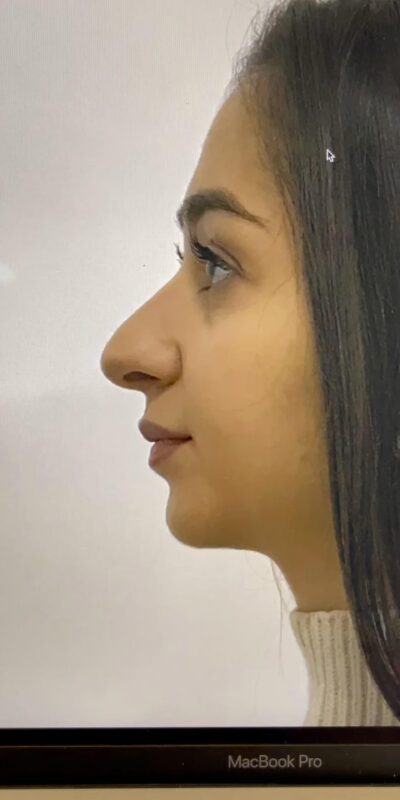
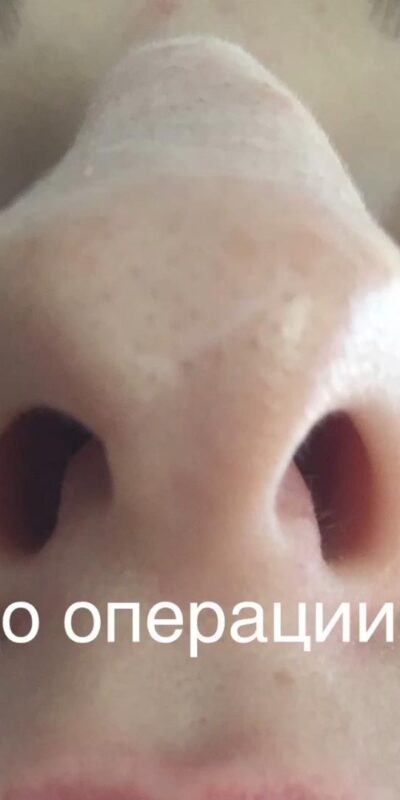
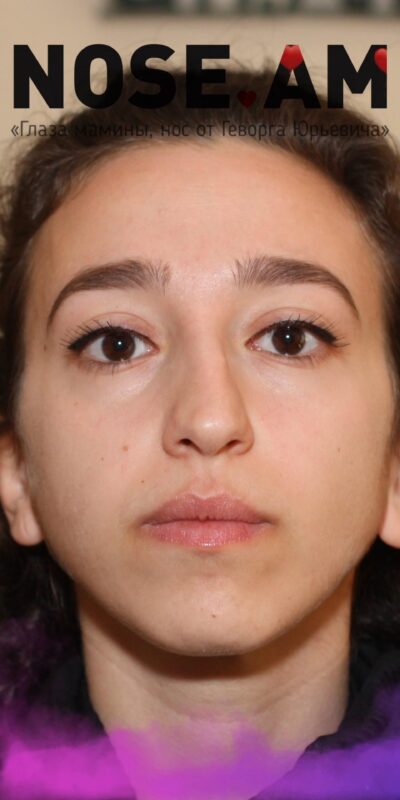
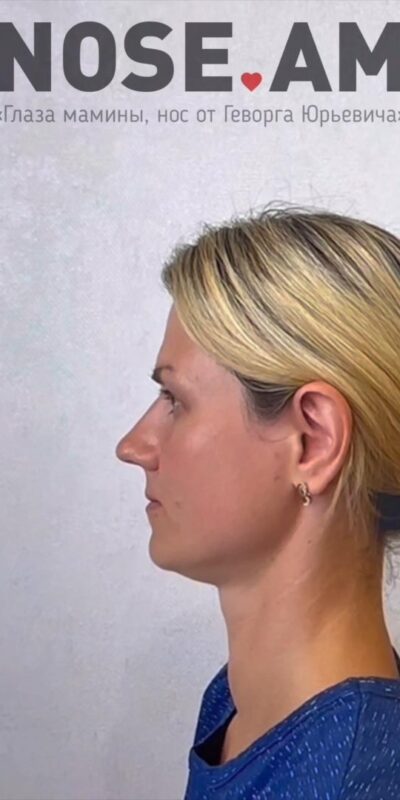
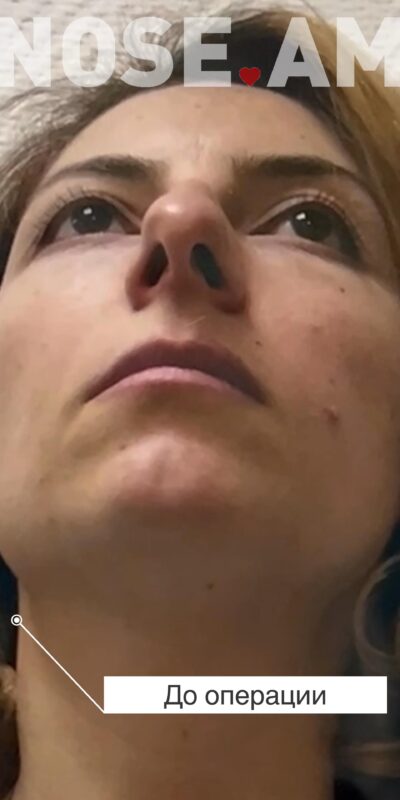
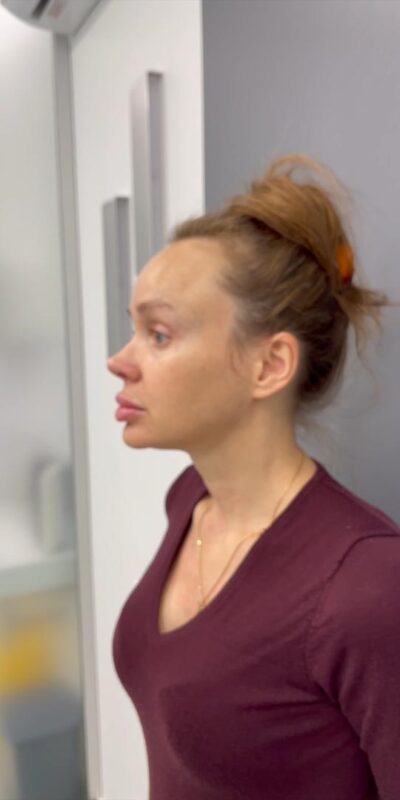
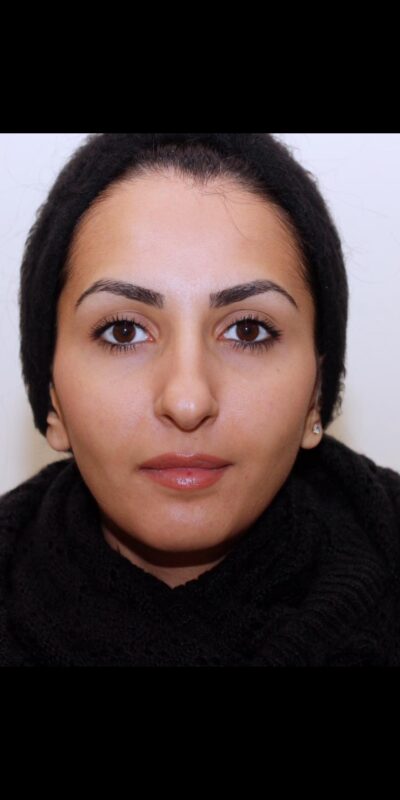
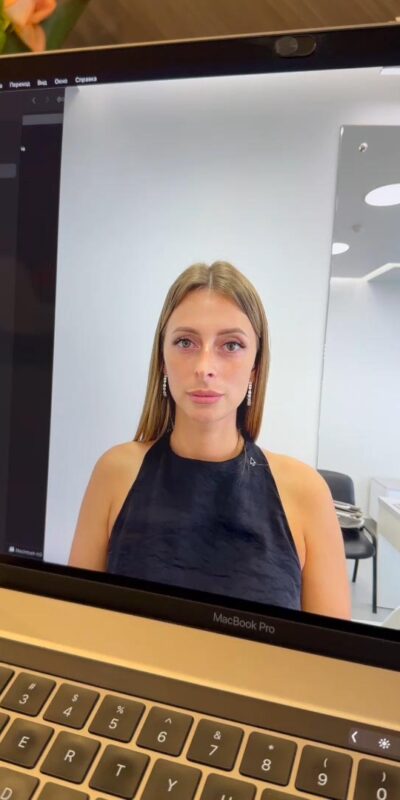
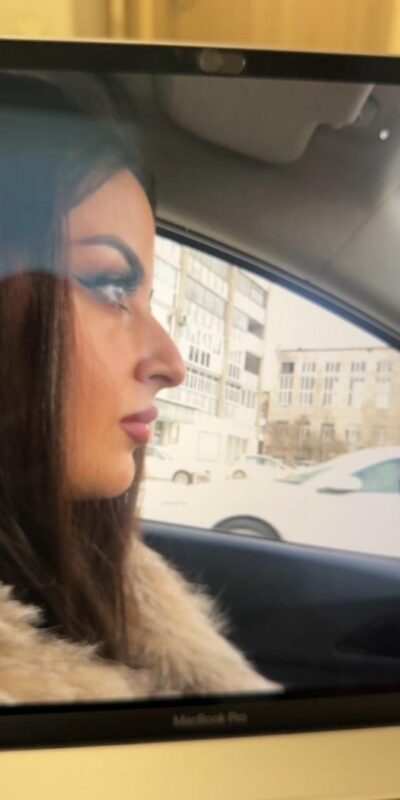
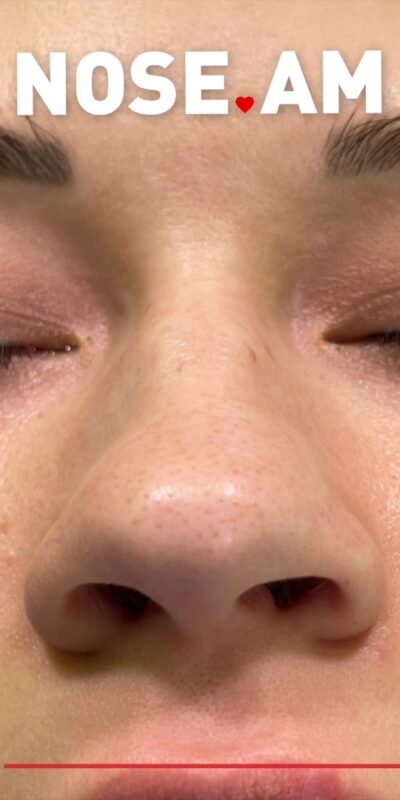
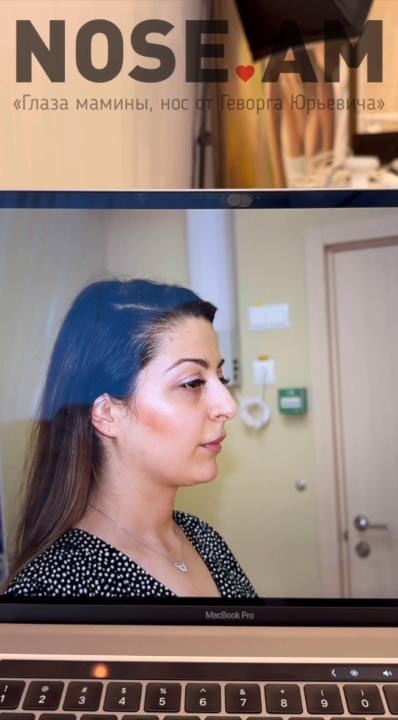
IPlease send photo reports at the scheduled intervals — monthly from months 1 through 6, then at months 9 and 12. The required views are: front view, three-quarter view from both sides, view from below, and profile view from both sides. These photographs allow me to assess the actual progress, adjust your postoperative care, and provide further recommendations.
When to write immediately — do not wait
- Fever above 38°C for more than 24 hours;
- Increasing pain or worsening swelling instead of its decrease;
- Change in skin color on the nose (redness, bluish tint);
- Purulent or atypical discharge;
- Any situation that seems unusual to you.
The postoperative period is not about “waiting and enduring.” It is a joint effort: your discipline and timely questions directly influence what the final result will be.